Strainers
Y-type, basket, and duplex strainers for protecting downstream equipment from debris.
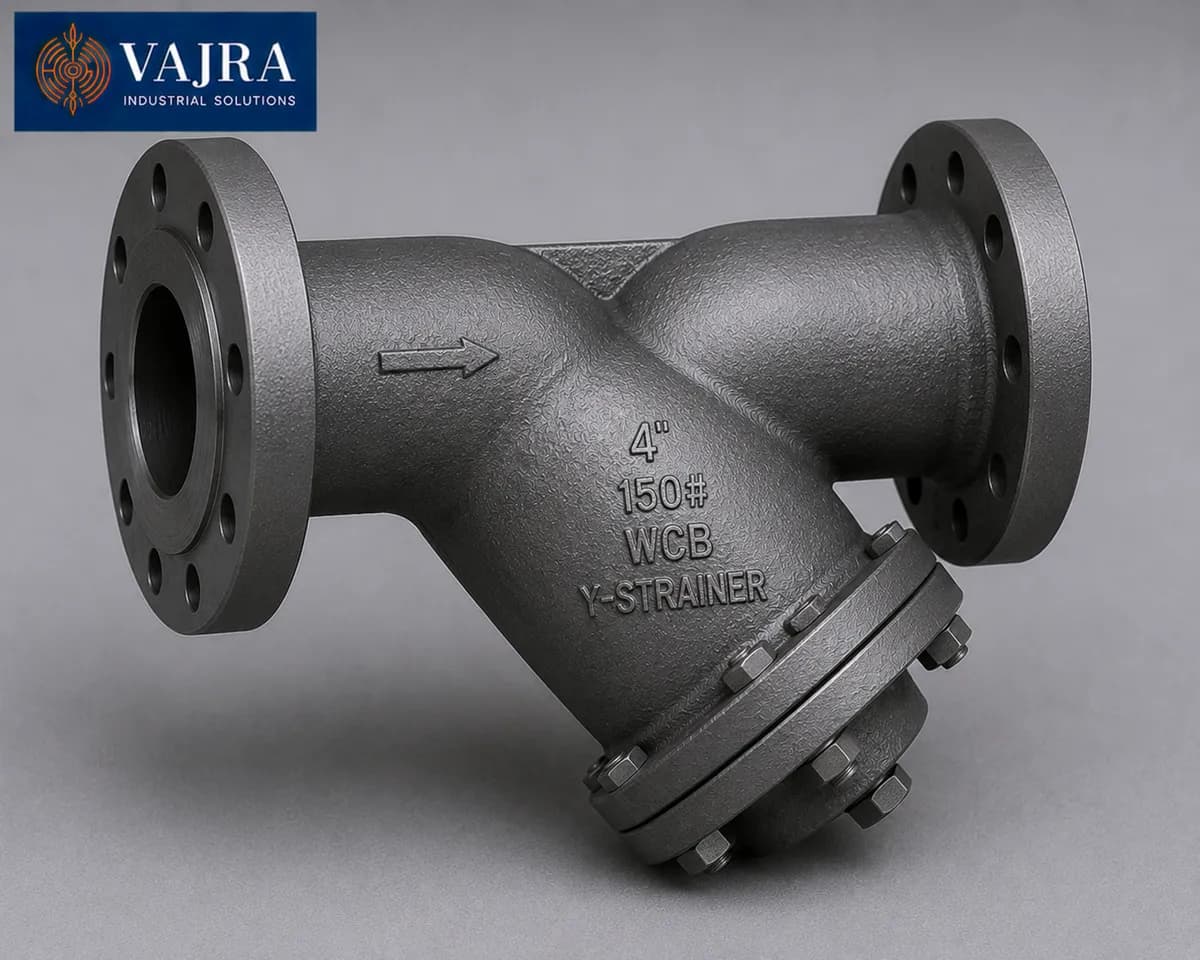
Y-Type Strainer
Compact Y-body strainer for continuous filtration in horizontal or vertical lines.
Technical Specifications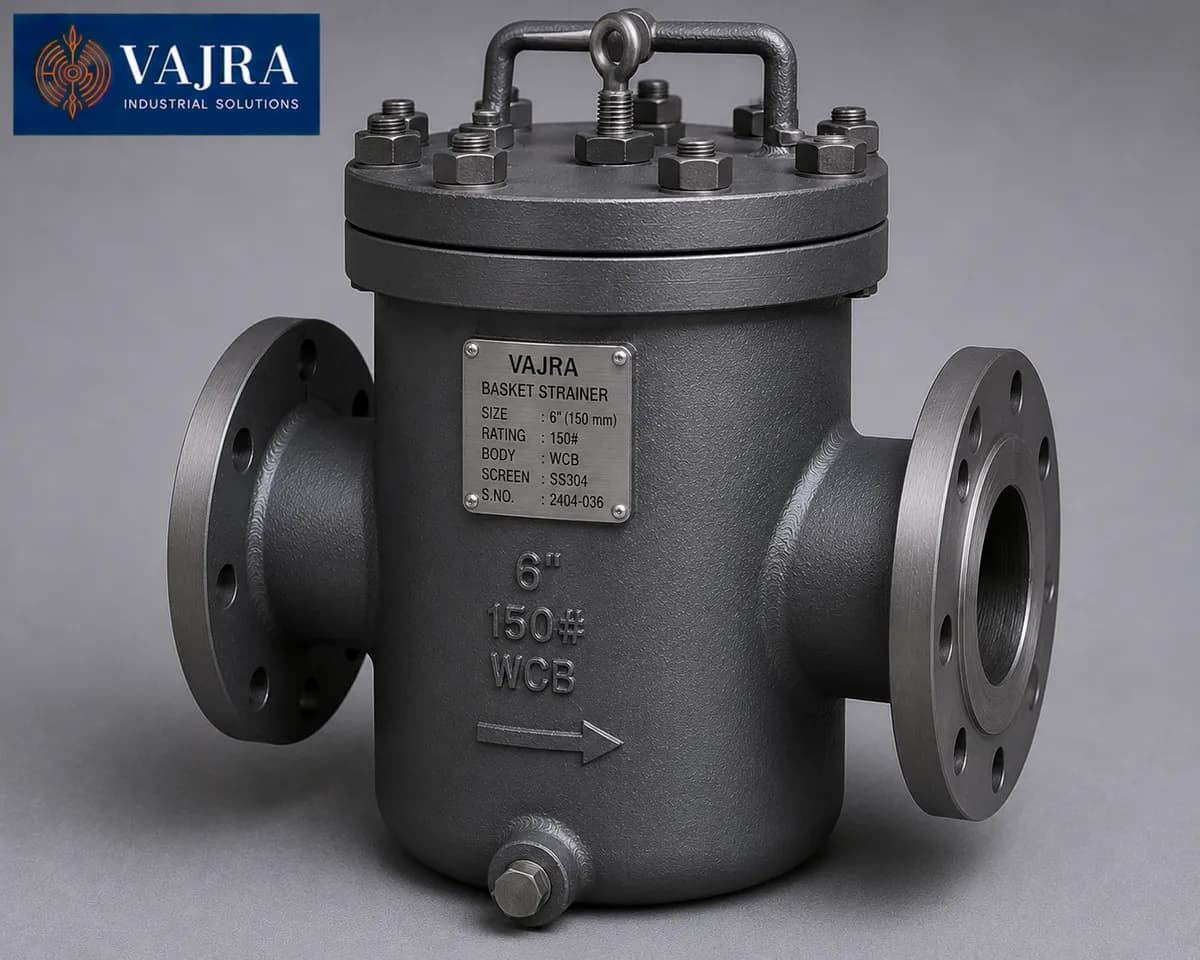
Basket Strainer
High-capacity basket design for applications requiring frequent cleaning.
Technical Specifications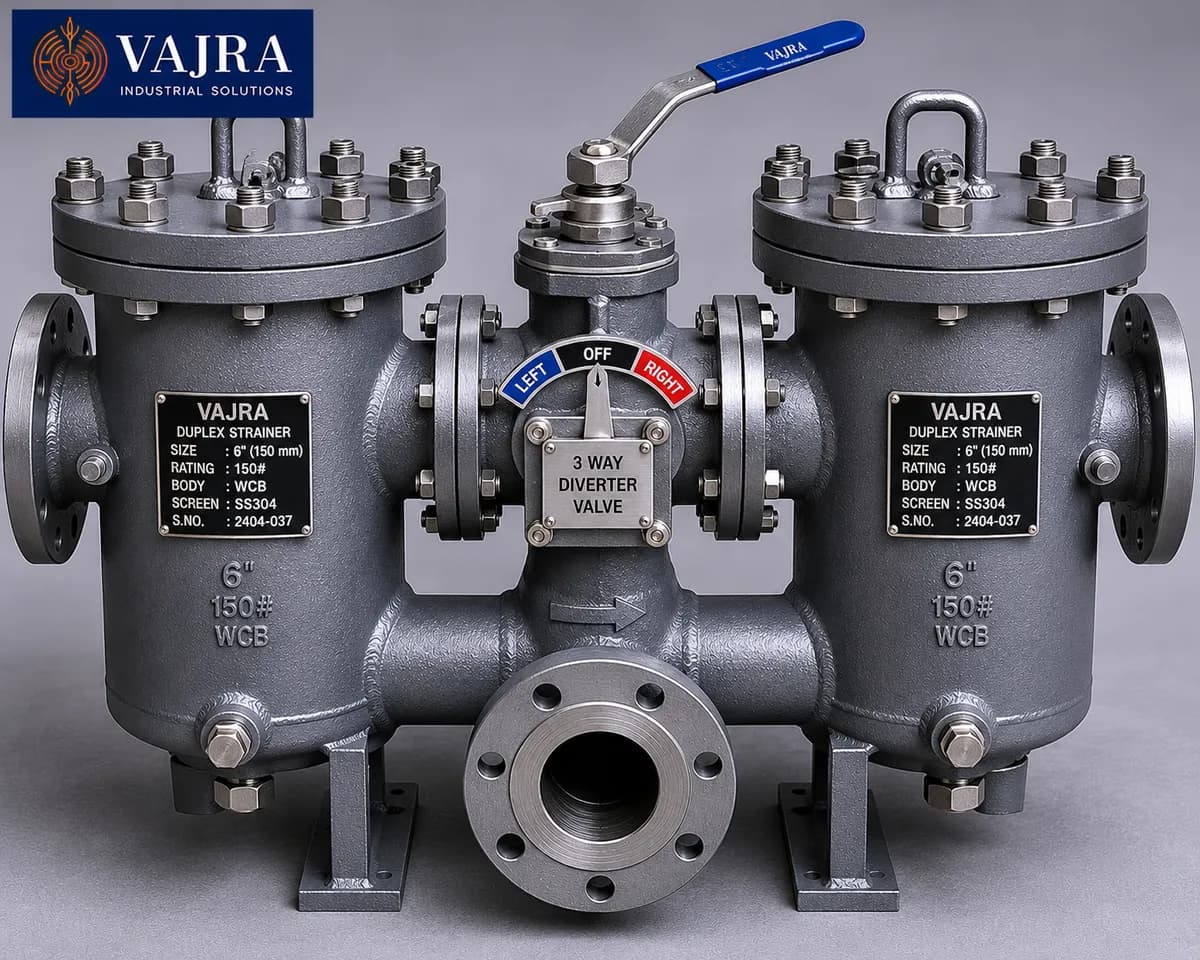
Duplex Strainer
Twin-basket design allowing continuous operation during cleaning and maintenance.
Technical SpecificationsNeed Strainers?
Get a competitive quote within 24 hours - API 6D, ASME B16.34 certified.
Frequently Asked Questions
Technical questions about Strainers - selection, materials, standards & ordering
What mesh size should I specify for my strainer?+
Match the mesh size to the downstream equipment being protected: 20–40 mesh (800–400 μm opening) for pump suction protection - prevents large particles from damaging impellers; 80–100 mesh (150–180 μm) for control valve and meter protection - the most common cause of premature control valve failure is inadequate upstream filtration; 150–200 mesh (75–105 μm) for precision flow meters, analyser sample lines, and pH probes. Always size the strainer body for a pressure drop across the clean screen of less than 0.15 bar to avoid cavitation in pump suction applications.
What is the difference between a Y-strainer and a basket strainer?+
Y-strainers are compact with the screen at a 45° angle to the flow - low face-to-face length, suitable for continuous service with infrequent cleaning via a blow-off plug. Best for lines where the strainer rarely needs cleaning. Basket strainers have a larger, vertically-mounted screen basket with much higher dirt-holding capacity and lower pressure drop - preferred where frequent cleaning is needed or where high particle loading is expected. Duplex basket strainers (twin baskets with a diverter valve) allow cleaning of one basket while the other remains in service - mandatory for continuous-process lines that cannot be shut down.
Can strainers be installed in steam lines?+
Yes - Y-strainers in Carbon Steel or Stainless Steel 316 body with SS316 perforated screen are standard for steam service. Install with the blow-off leg pointing downward (not upward) so condensate and solids collect by gravity. Clean the strainer screen at system commissioning and after any modifications to the pipework - new steam systems release significant mill scale and weld debris in the first weeks of operation. For steam above 300°C, specify carbon steel WCB body with graphite gaskets.
What body material should I specify for strainers in chemical service?+
For mild to moderately corrosive chemicals: Stainless Steel 316 body with SS316 mesh or perforated screen. For oxidising acids (sulphuric, nitric, phosphoric): SS316L or Hastelloy C-276 body with matching screen. For caustic (NaOH, KOH) service: SS316 or Monel 400. For hydrofluoric acid or ultra-high-purity semiconductor service: PVDF body with PTFE screen - fully metal-free wetted parts. Always specify body and screen material separately - the screen is often the first component to corrode.
Procurement & Specification
Typical Applications
Available Standards
Material Options
Documentation Available
- -EN 10204 3.1 Material Test Certificates (heat traceable)
- -API 598 hydrostatic shell & seat test reports
- -Dimensional inspection reports
- -Full Manufacturing Data Record (MDR) / data book on request
Inspection Options
- -In-house QC inspection on every order
- -Third-party inspection (SGS / Bureau Veritas / TÜV / DNV) coordination
- -Witness and hold points accommodated on request
Order Quantities
Flexible — from single critical-spare valves to full project lots.
Export
Worldwide export with complete documentation (COO, EUR.1, packing lists) to 20+ countries.
Custom Engineering
Built to your specification — materials, trim, pressure class and special service (NACE, fire-safe, IBR, cryogenic).
Delivery Support
Dispatch from Vadodara, Gujarat with documented lead times and priority handling for urgent requirements.
Engineering references
Connected Engineering
Technical Guides
Learn More About Strainers
Valve Selection · 7 min read
Industrial Strainer Types: Y-Type, Basket and Duplex Selection Guide
Strainers protect pumps, compressors, meters and control valves from pipeline debris. This guide compares Y-type, basket, duplex and temporary strainers across mesh size, pressure drop, materials and application requirements.
Read Guide
Operations & Maintenance · 9 min read
Industrial Valve Maintenance Guide: Inspection, Troubleshooting and Best Practices
Unplanned valve failures cause costly production shutdowns, safety incidents, and environmental releases. This guide covers routine inspection protocols, common failure modes for all major valve types, and predictive maintenance strategies to maximise valve service life.
Read Guide
Procurement & Engineering · 12 min read
Industrial Valve Procurement Guide for EPC Contractors and Plant Engineers
Valve procurement is one of the most complex and risk-laden activities in a process plant EPC project - covering hundreds of line items, long-lead equipment, third-party inspection, and stringent documentation requirements. This guide covers the complete procurement cycle from Material Requisition to Delivery and Handover.
Read Guide