Globe Valves
Precision globe valves for throttling, flow regulation, and frequent operation.
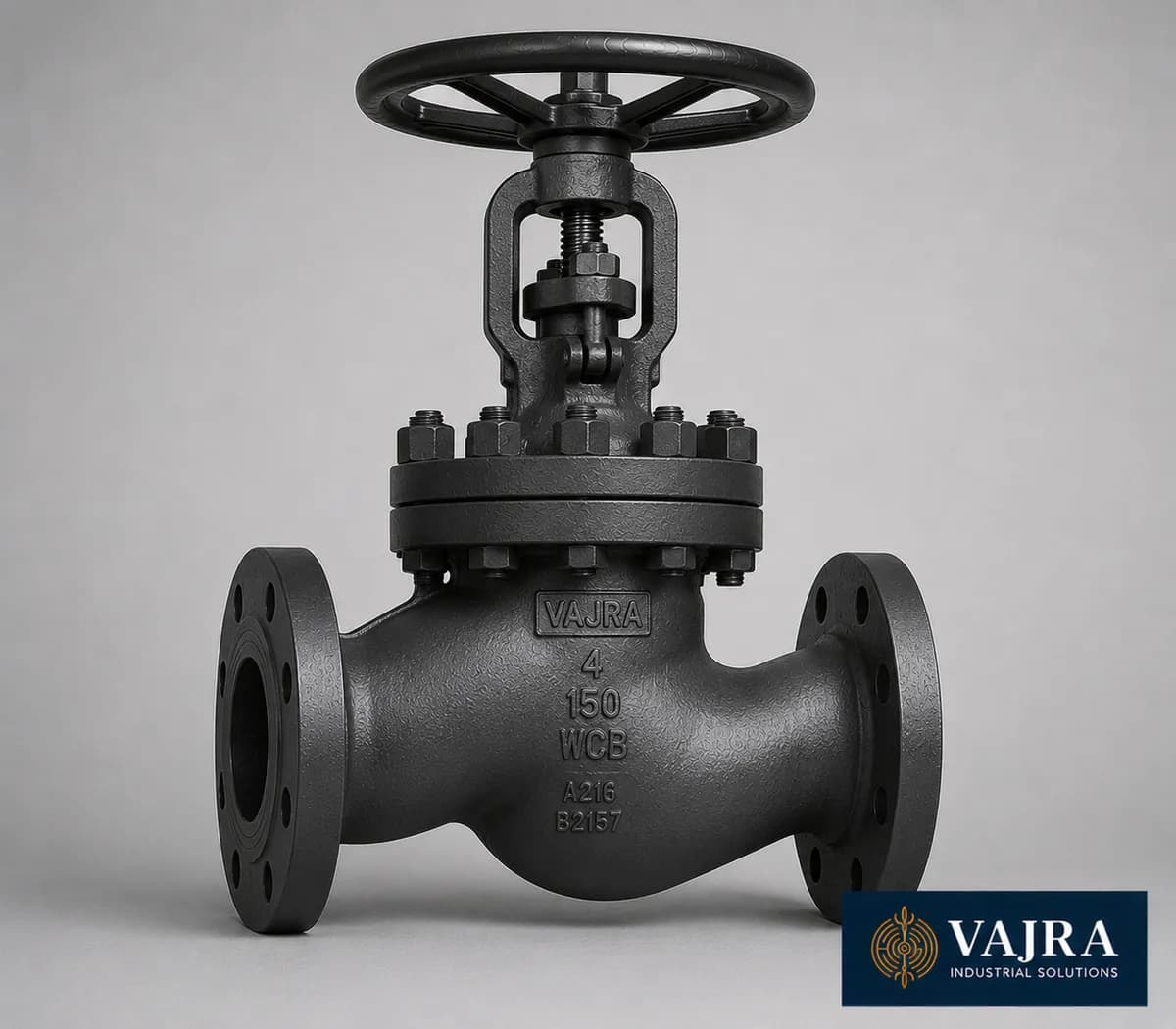
Z-Type Globe Valve
Standard Z-body pattern globe valve for general throttling and isolation applications.
Technical Specifications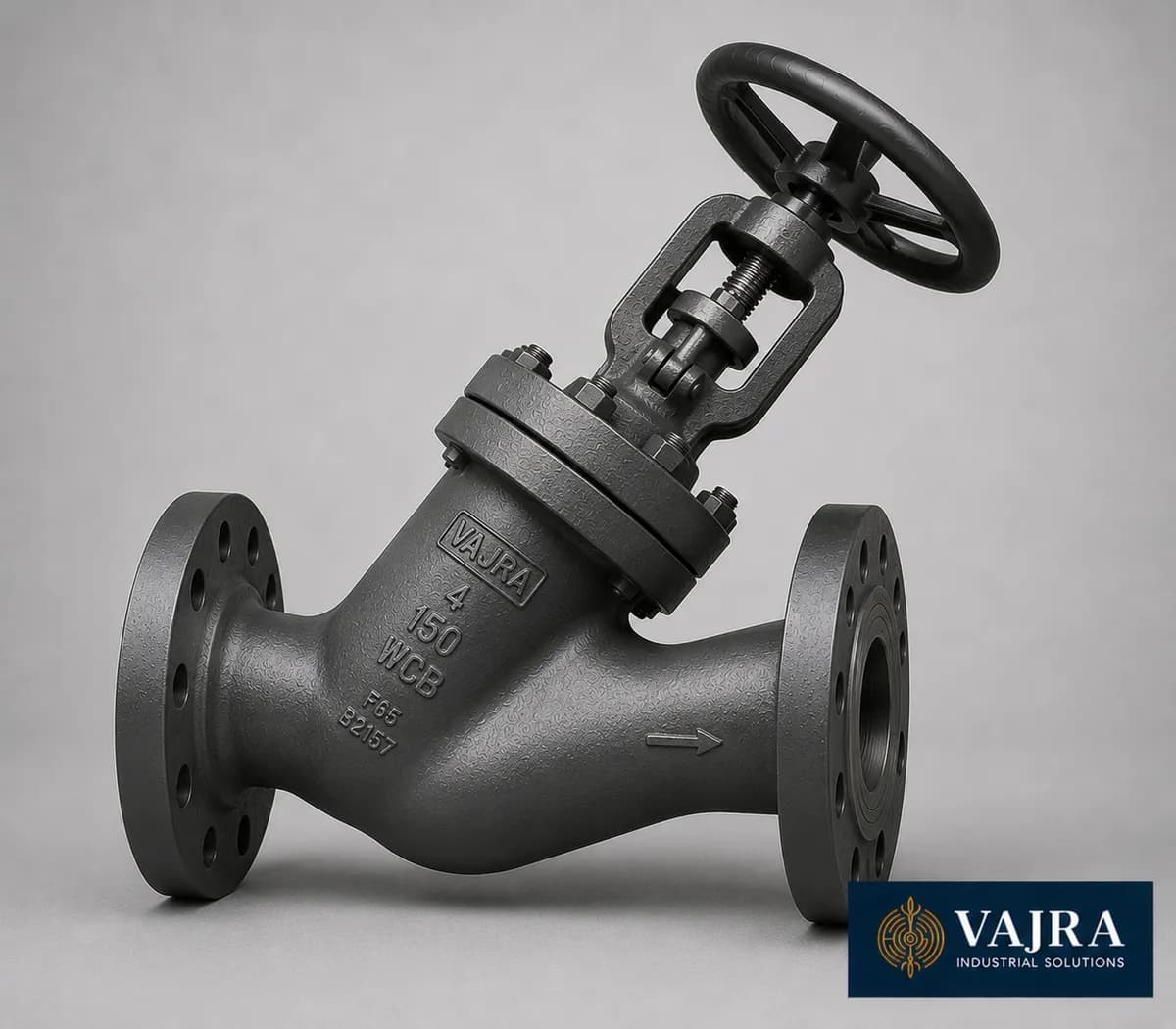
Y-Type Globe Valve
Angled Y-body design for reduced pressure drop and high-flow applications.
Technical Specifications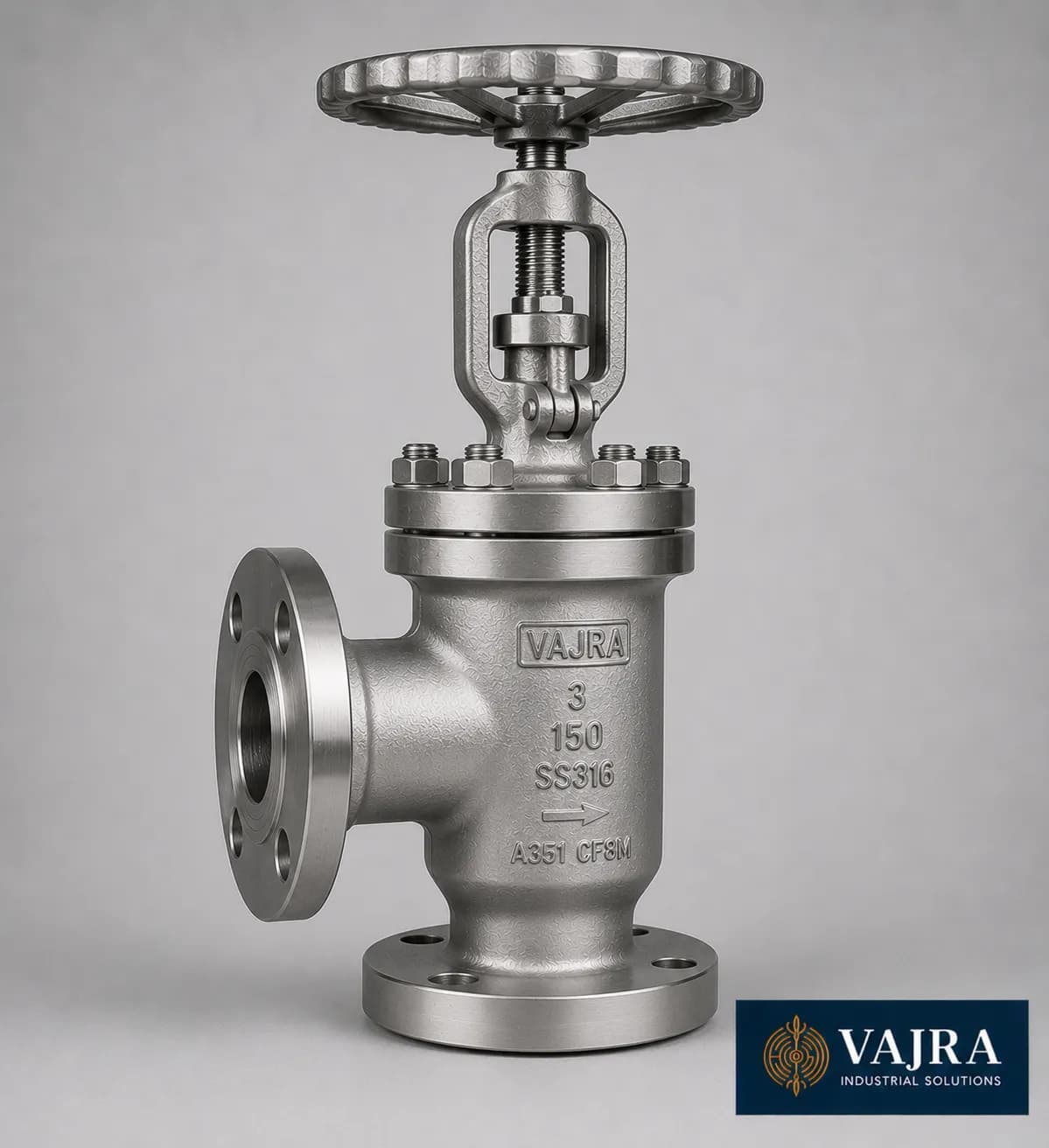
Angle Globe Valve
90-degree angle body design for applications requiring directional flow change.
Technical Specifications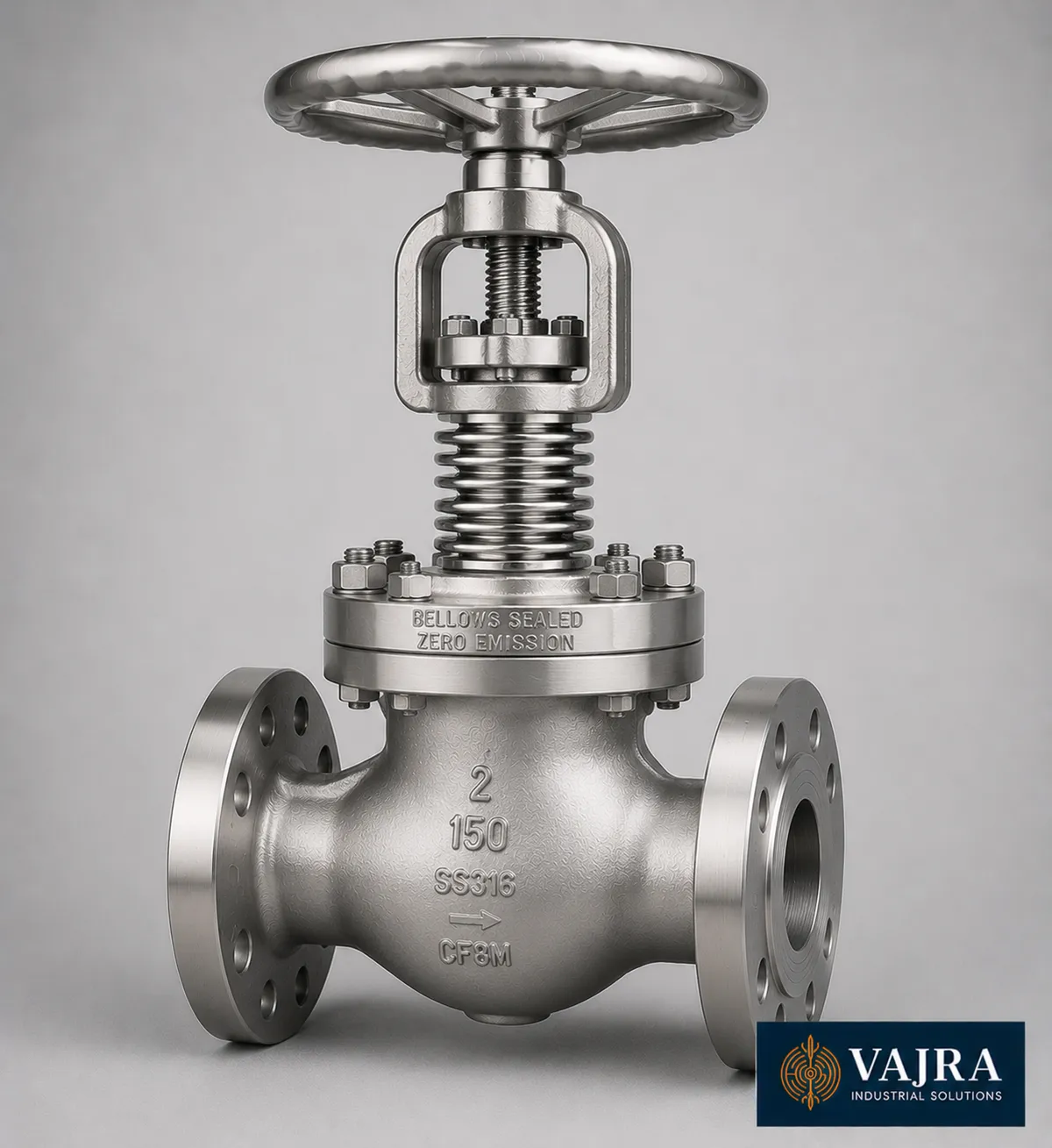
Bellows Sealed Globe Valve
Zero-leakage globe valve with stainless steel bellows stem seal for toxic, flammable, or emission-controlled services.
Technical Specifications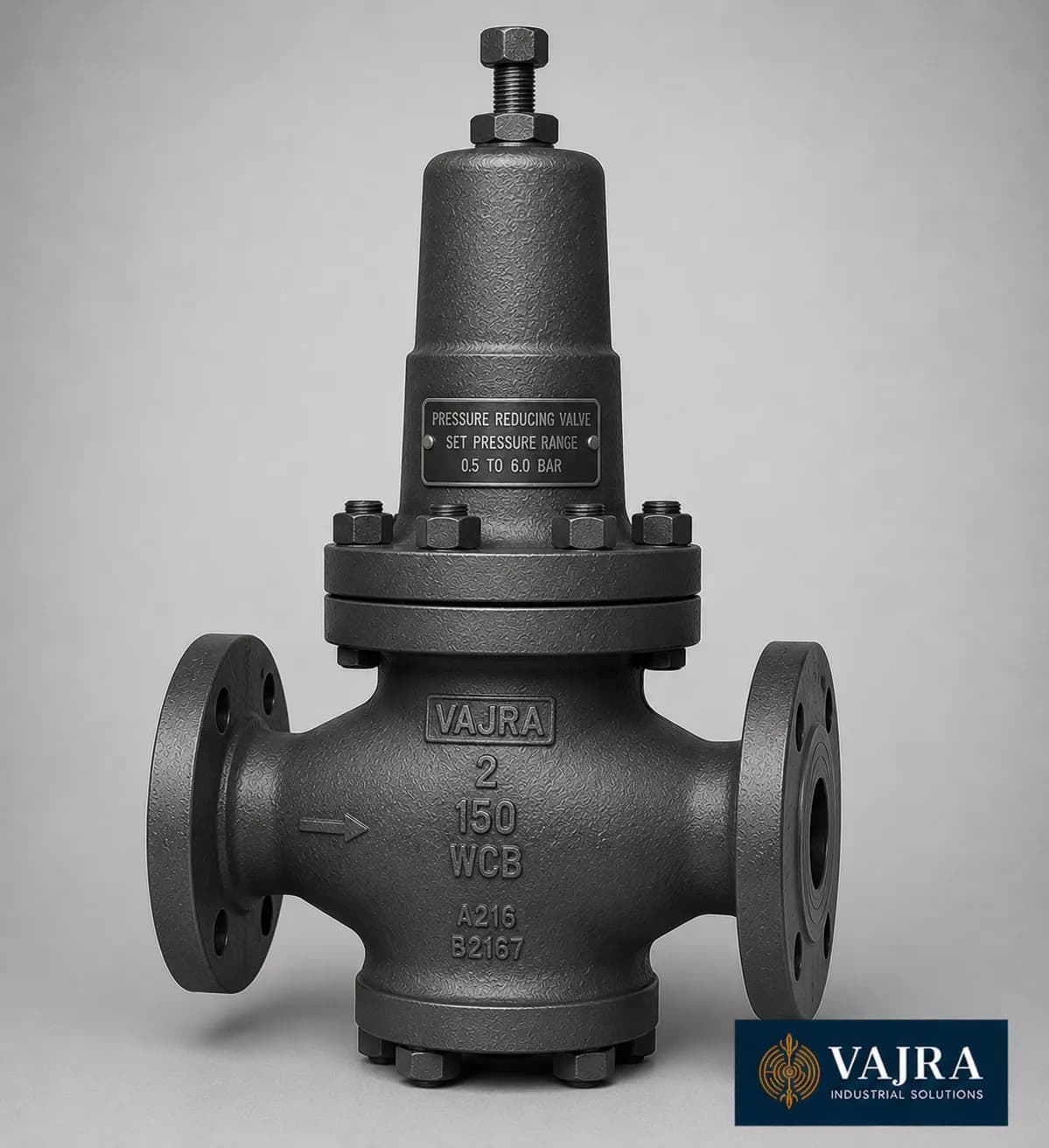
Pressure Reducing Valve (PRV)
Self-regulating globe-type valve that automatically reduces inlet pressure to a safe, constant downstream set pressure.
Technical SpecificationsNeed Globe Valves?
Get a competitive quote within 24 hours - API 6D, ASME B16.34 certified.
Frequently Asked Questions
Technical questions about Globe Valves - selection, materials, standards & ordering
What is the difference between a globe valve and a gate valve?+
Globe valves are designed for throttling, flow regulation, and frequent operation: the disc closes against a horizontal seat ring, giving a linear flow characteristic with stem travel. The Z-shaped flow path creates a predictable, controllable pressure drop. Gate valves are for on-off isolation only - they must not be throttled. Use globe valves wherever the valve will be partially open for sustained periods, where frequent cycling is expected, or where precise flow rate adjustment is required.
What is the difference between Z-type, Y-type, and angle globe valves?+
The Z-type (standard pattern) has inlet and outlet on the same axis - the most common design for general service. The Y-type (angle pattern) has the seat at approximately 45° to the flow axis - lower pressure drop and better suited for high-pressure blow-down, drain valves, or where fouling of the cavity is a concern. The angle globe valve has inlet and outlet at 90° to each other - ideal for applications where the piping already changes direction, eliminating one elbow and reducing pressure drop and space.
How do globe valves achieve low fugitive emissions?+
Three methods: (1) Low-emission (LE) packing - multi-ring graphite or PTFE braided packing systems with live-loaded packing glands (belleville springs) that maintain sealing force as packing wears; tested to ISO 15848-1 Class B or C. (2) Bellows sealed design - metallic 316L stainless bellows welded to stem and bonnet, with packing as a secondary seal; achieves ISO 15848-1 Class A (< 10 ppm). (3) Specification to TA-Luft VDI 2440 (Germany) or EPA Method 21 for facilities with regulatory fugitive emission limits.
What materials are suitable for globe valves in high-temperature steam service?+
For steam service above 250°C: Carbon Steel WCB (rated to 425°C). Above 425°C: Alloy Steel WC6 (1.25Cr-0.5Mo, to 510°C) or WC9 (2.25Cr-1Mo, to 565°C). Above 565°C: C12A/P91 (9Cr-1Mo-V, to 620°C). All high-temperature globe valves require Stellite hard-facing on disc and seat for wear resistance, and graphite packing for temperature stability. Full PMI and PWHT documentation is provided.
Procurement & Specification
Typical Applications
Available Standards
Material Options
Documentation Available
- -EN 10204 3.1 Material Test Certificates (heat traceable)
- -API 598 hydrostatic shell & seat test reports
- -Dimensional inspection reports
- -Full Manufacturing Data Record (MDR) / data book on request
Inspection Options
- -In-house QC inspection on every order
- -Third-party inspection (SGS / Bureau Veritas / TÜV / DNV) coordination
- -Witness and hold points accommodated on request
Order Quantities
Flexible — from single critical-spare valves to full project lots.
Export
Worldwide export with complete documentation (COO, EUR.1, packing lists) to 20+ countries.
Custom Engineering
Built to your specification — materials, trim, pressure class and special service (NACE, fire-safe, IBR, cryogenic).
Delivery Support
Dispatch from Vadodara, Gujarat with documented lead times and priority handling for urgent requirements.
Engineering references
Connected Engineering
Technical Guides
Learn More About Globe Valves
Valve Selection · 7 min read
Globe Valve vs Gate Valve: Flow Control Versus Isolation Explained
Globe valves and gate valves are both multi-turn valves but serve fundamentally different functions. Gate valves are pure isolation devices; globe valves regulate flow. Choosing the wrong type leads to seat erosion, excessive pressure drop, or poor control. This guide explains when to use each.
Read Guide
Engineering & Design · 11 min read
Control Valve Sizing and Cv Calculation: A Step-by-Step Engineering Guide
Control valve sizing is the most critical step in ensuring stable and accurate process control. An oversized valve operates at low opening and is prone to instability and seat erosion; an undersized valve starves the process and cannot meet maximum flow demand. This guide explains the Cv flow coefficient method, ISA/IEC 60534 equations for liquid, gas and steam, and common sizing pitfalls to avoid.
Read Guide
Technical Guides · 9 min read
High-Temperature Valve Selection Guide - Above 300°C to 600°C
Selecting valves above 300°C requires Cr-Mo alloy steel bodies, Stellite trim, graphite packing, and verification against API 941 Nelson curves - this guide explains every decision point.
Read Guide
Valve Comparisons