Ball Valves
High-performance ball valves for reliable shut-off and control in various industrial applications.
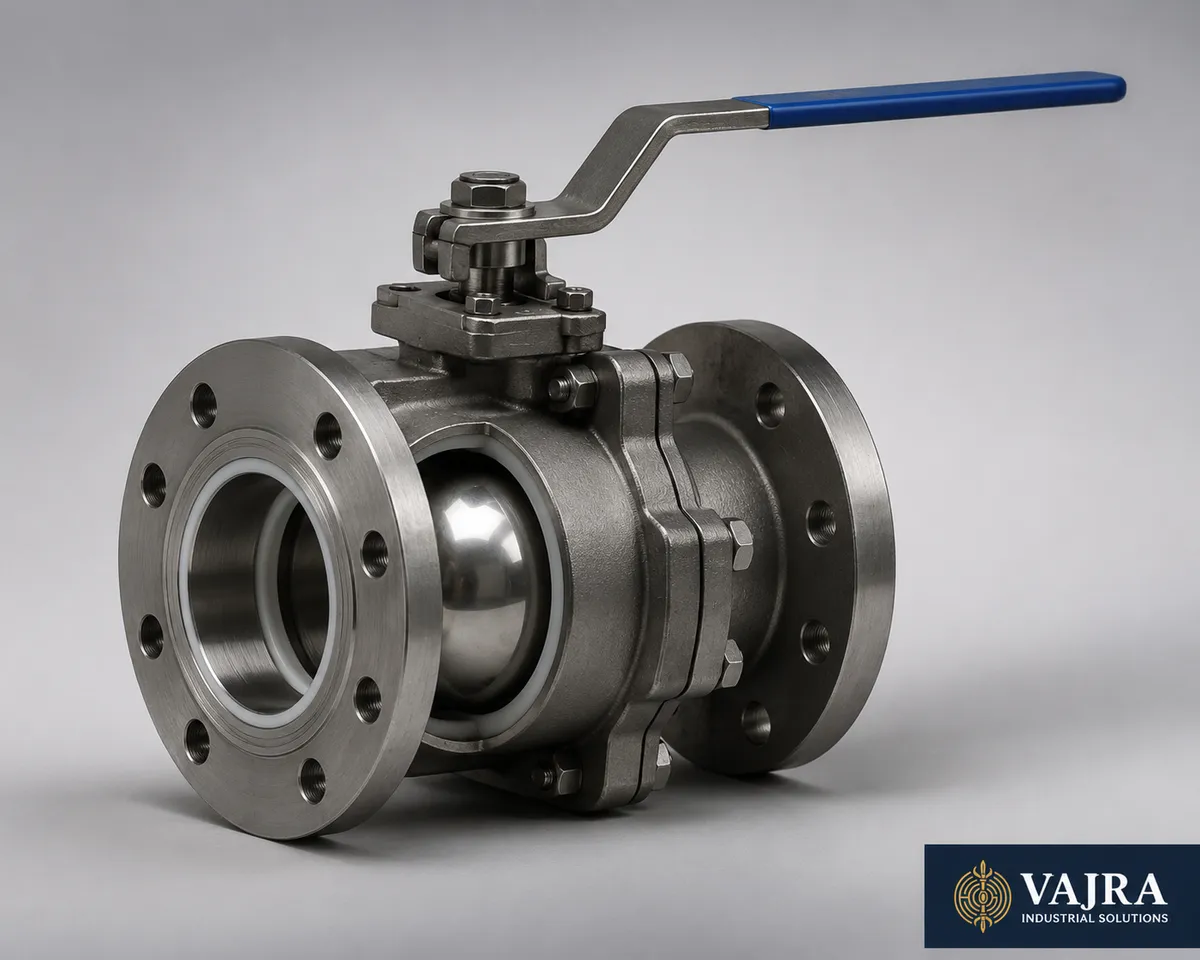
Floating Ball Valve
Standard floating design where the ball is supported by two seat rings, ideal for low to medium pressure applications.
Technical Specifications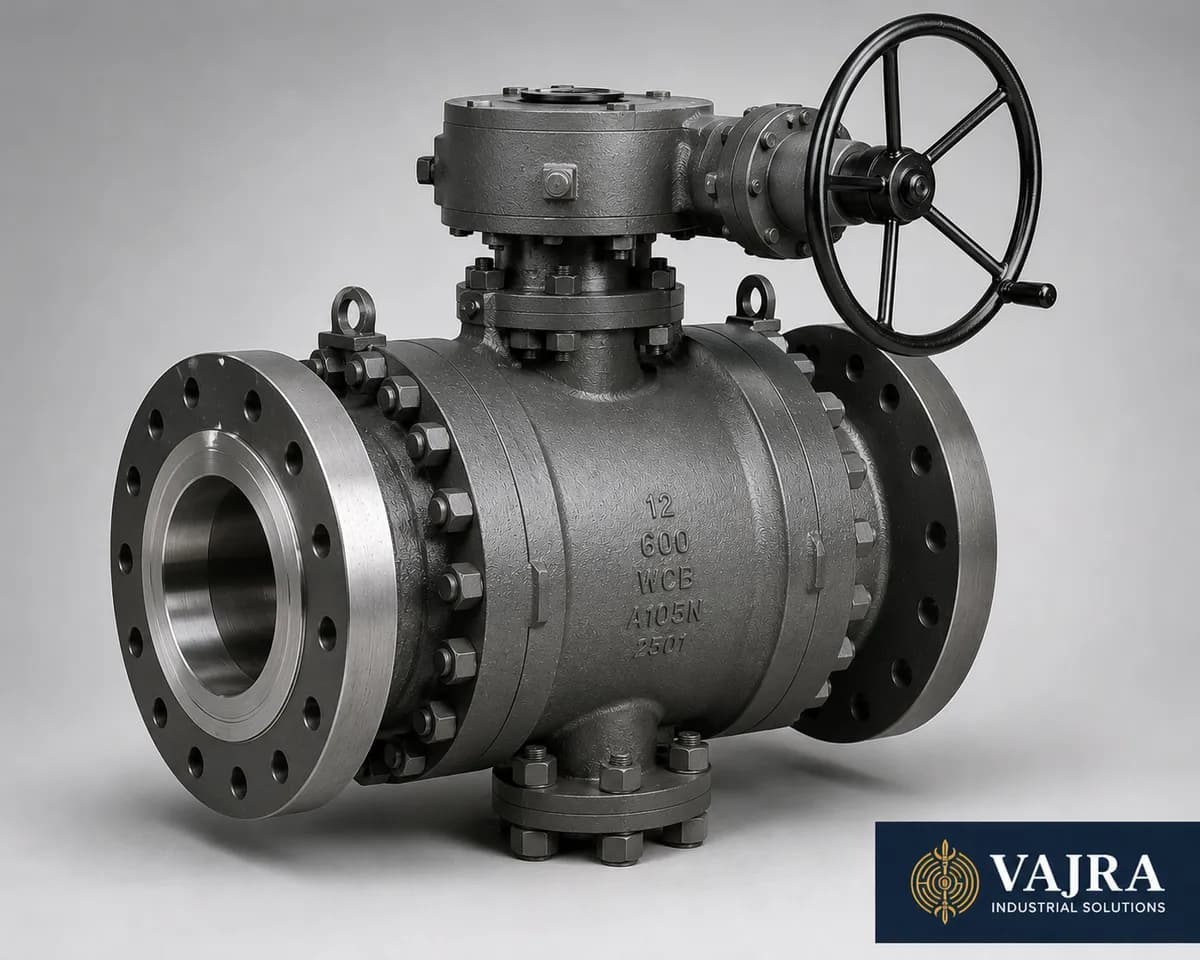
Trunnion Mounted Ball Valve
Heavy-duty design with additional mechanical anchoring of the ball for high-pressure and large-diameter pipelines.
Technical Specifications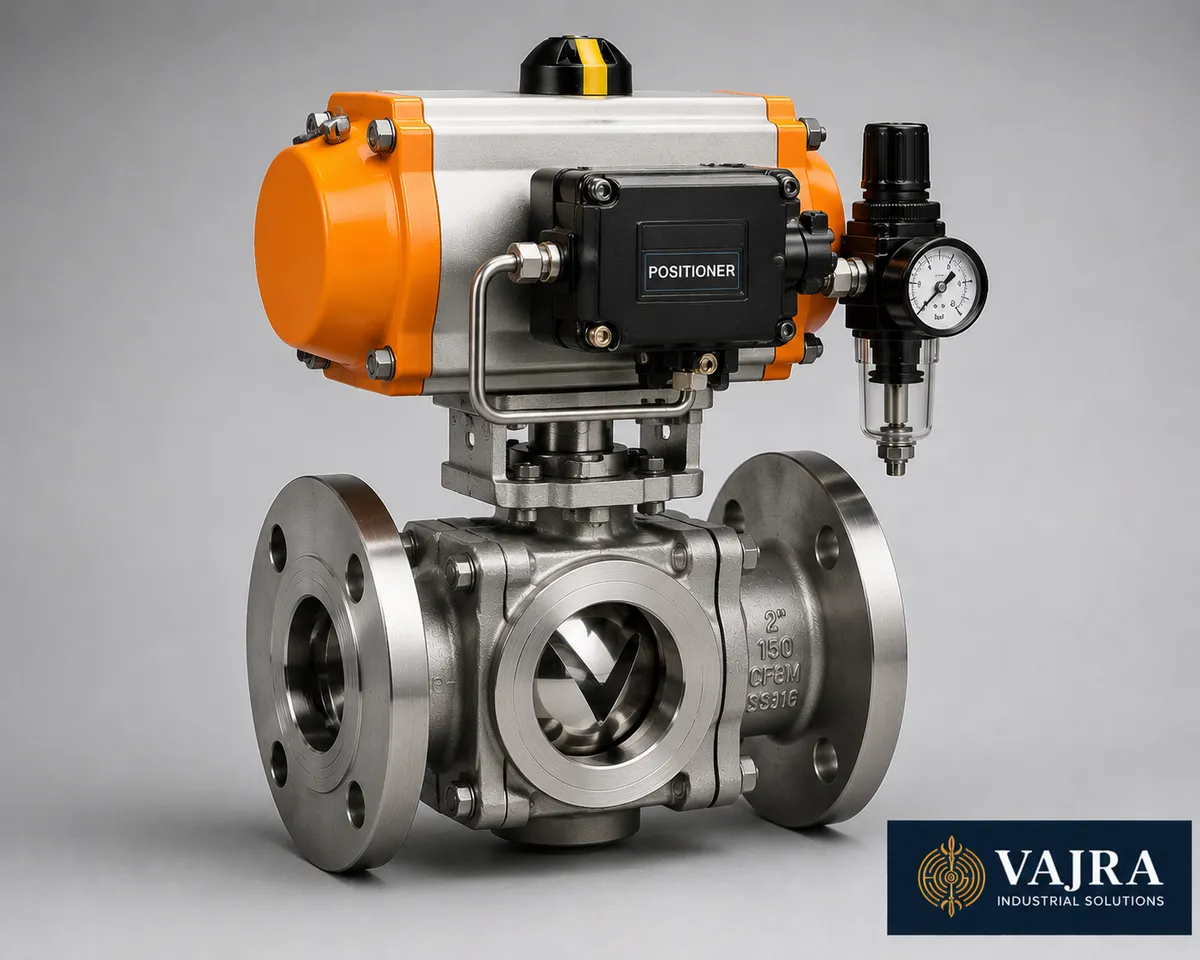
V-Port Ball Valve
Control valve with V-shaped ball or seat for precise flow regulation and throttling applications.
Technical Specifications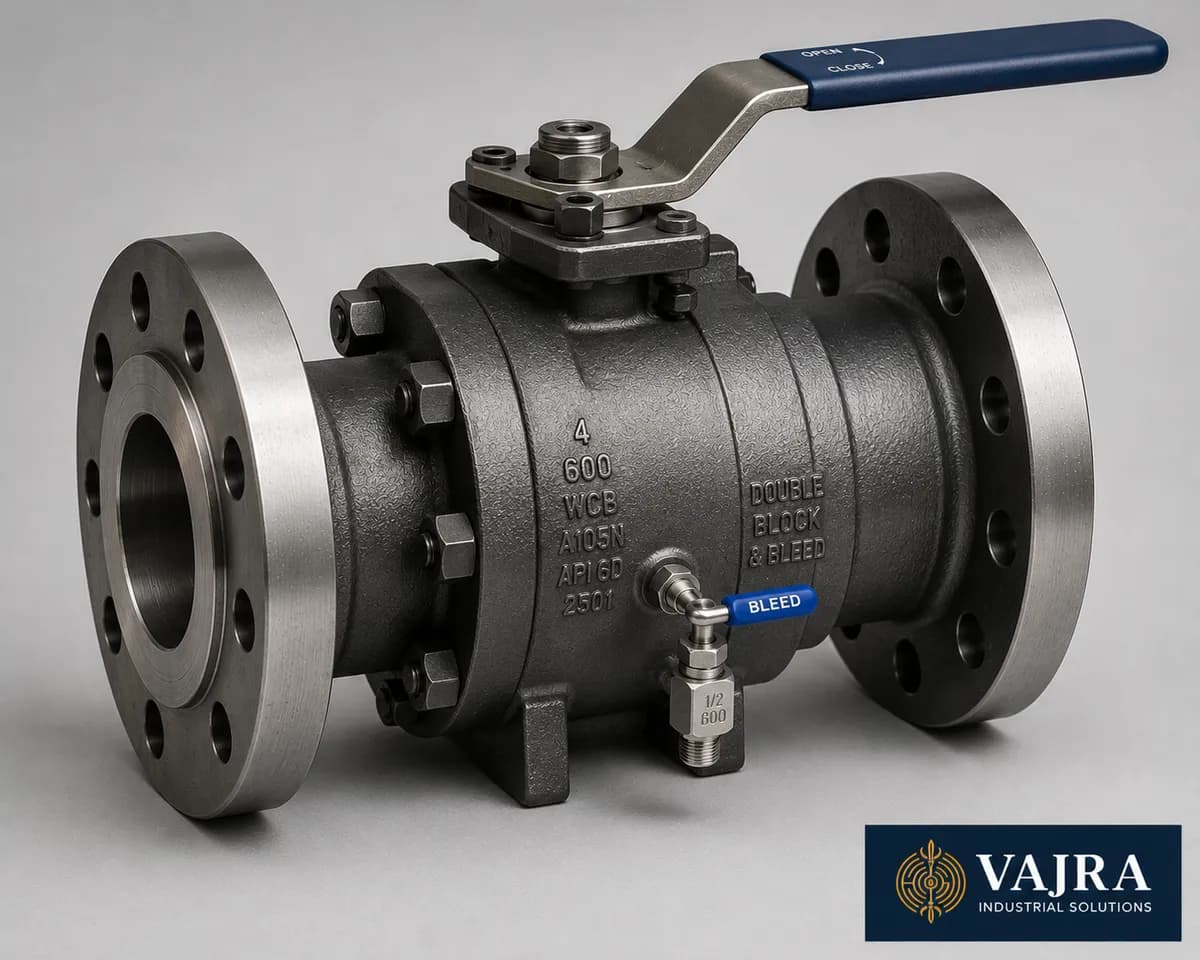
Double Block & Bleed Ball Valve
DBB design with two independent seating surfaces and a bleed valve for positive isolation and cavity venting in critical services.
Technical Specifications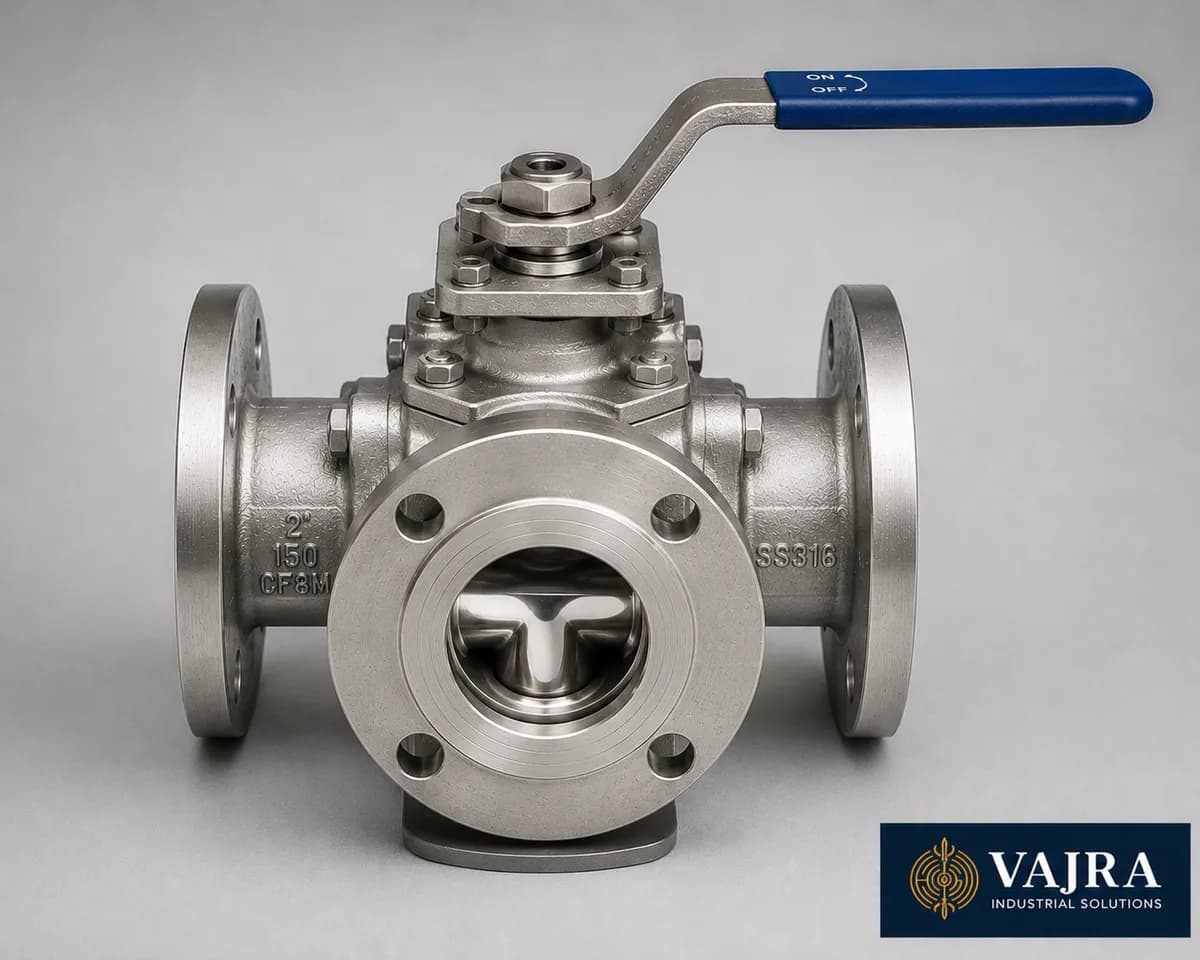
3-Way Ball Valve
T-port or L-port ball valve for flow diversion, mixing, or directing flow between two circuits.
Technical Specifications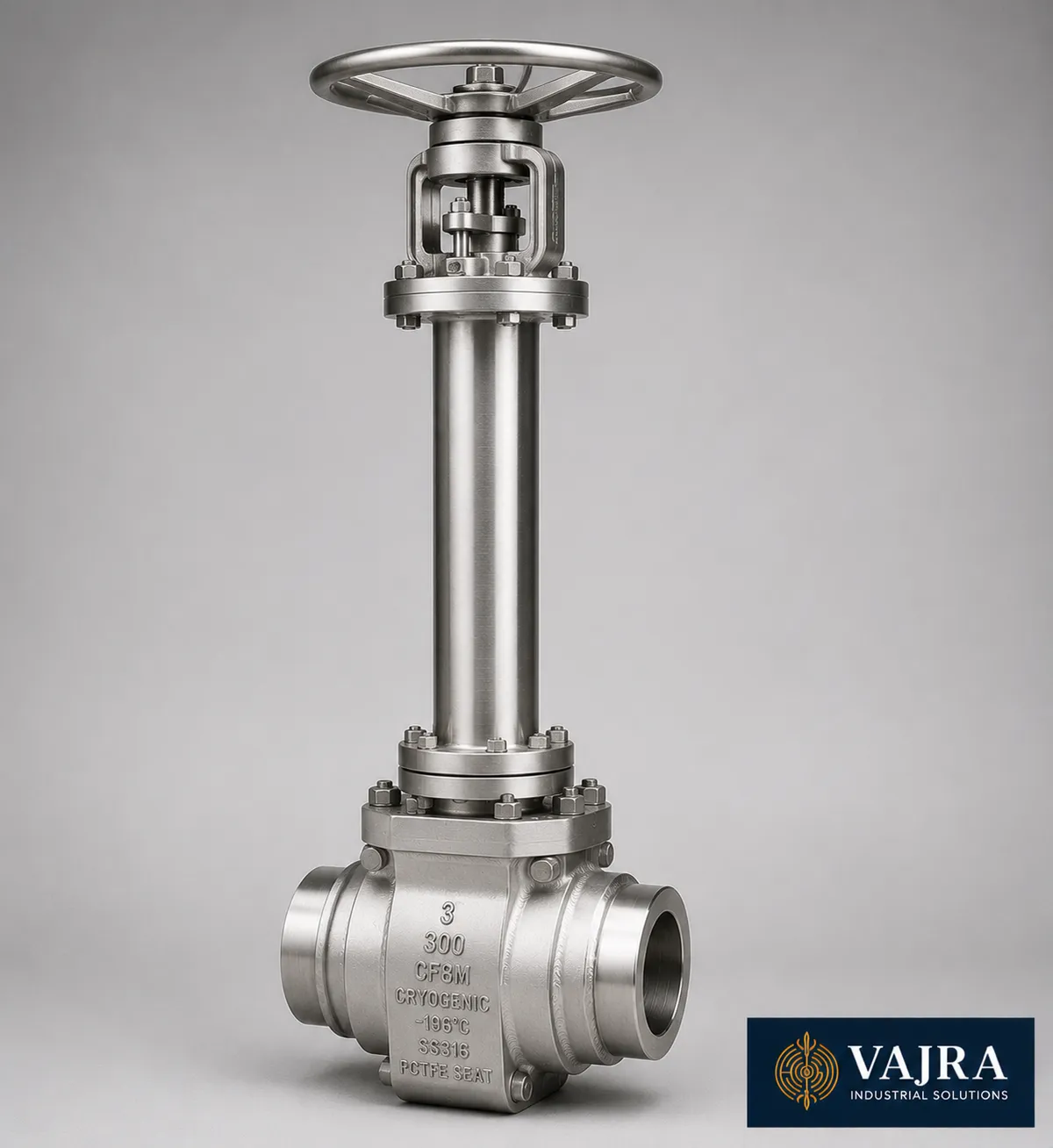
Cryogenic Ball Valve
Extended bonnet design engineered for low-temperature LNG, LOX, LIN, and LAr service down to -196°C.
Technical SpecificationsNeed Ball Valves?
Get a competitive quote within 24 hours - API 6D, ASME B16.34 certified.
Frequently Asked Questions
Technical questions about Ball Valves - selection, materials, standards & ordering
Floating vs. trunnion ball valve - which do I need?+
For sizes up to 4"–6" at Class 150–300 in clean, non-abrasive service, a floating ball valve is typically the more economical choice - the ball floats against the downstream seat, providing effective sealing. For 6" and larger, or any size at Class 300 and above, choose a trunnion mounted ball valve: the ball is mechanically anchored, so seat loads remain manageable regardless of line pressure, and operating torque is lower - enabling smaller, less expensive actuators. For frequent automated cycling or DBB (Double Block & Bleed) requirements, always specify trunnion.
What is a Double Block & Bleed (DBB) ball valve?+
A DBB ball valve has two independent seating surfaces (upstream and downstream) each capable of providing a positive seal against line pressure, with a bleed port in the body cavity between them. When both seats are sealed and the bleed valve is open, any pressure in the cavity can be detected or vented - confirming that both seats are holding. DBB ball valves are required by API 6D for metering skids, chemical injection systems, and any application where positive isolation must be verified without removing the valve from the line.
Are your ball valves fire-safe to API 607 and API 6FA?+
Yes. Our fire-safe ball valves feature secondary metal seats (Stellite or SS316 hard-faced) and graphite body and stem seals that retain sealing function after the primary soft seats (PTFE/PEEK) are destroyed by fire. API 607 applies to 2" and smaller valves; API 6FA applies to larger pipeline valves to API 6D. All fire-safe valves are supplied with a fire-test certificate referencing the applicable standard.
What is the maximum pressure class available for ball valves?+
Our trunnion mounted ball valves are available up to ANSI Class 2500 (PN 420 - approximately 420 bar cold working pressure). Floating ball valves are available up to Class 1500 in standard production; Class 2500 is available as a special order. For subsea or ultra-high-pressure service above Class 2500, contact our engineering team for bespoke designs.
Can ball valves be used for throttling service?+
Standard full-bore and reduced-bore ball valves are on-off isolation valves - they should not be used for throttling. Partial opening creates a restricted crescent flow area that erodes the ball and seats rapidly, and causes acoustic noise in gas service. If throttling is required, specify a V-port ball valve (characterized V-notch provides a linear or equal-percentage characteristic), a globe valve, or a control valve. V-port ball valves are available from Vajra for modulating duties.
Procurement & Specification
Typical Applications
Available Standards
Material Options
Documentation Available
- -EN 10204 3.1 Material Test Certificates (heat traceable)
- -API 598 hydrostatic shell & seat test reports
- -Dimensional inspection reports
- -Full Manufacturing Data Record (MDR) / data book on request
Inspection Options
- -In-house QC inspection on every order
- -Third-party inspection (SGS / Bureau Veritas / TÜV / DNV) coordination
- -Witness and hold points accommodated on request
Order Quantities
Flexible — from single critical-spare valves to full project lots.
Export
Worldwide export with complete documentation (COO, EUR.1, packing lists) to 20+ countries.
Custom Engineering
Built to your specification — materials, trim, pressure class and special service (NACE, fire-safe, IBR, cryogenic).
Delivery Support
Dispatch from Vadodara, Gujarat with documented lead times and priority handling for urgent requirements.
Engineering references
Connected Engineering
Technical Guides
Learn More About Ball Valves
Standards & Specifications · 10 min read
API 6D Ball Valves: Complete Technical Guide for Pipeline and Oil & Gas Applications
API 6D is the international standard for pipeline valves used in oil and gas transmission systems. This guide covers everything procurement engineers and project managers need to know about API 6D ball valves - from design requirements to testing protocols.
Read Guide
Valve Selection · 11 min read
Trunnion Mounted vs Floating Ball Valves: Complete Selection Guide
Trunnion mounted and floating ball valves share the same quarter-turn mechanism but differ fundamentally in how the ball is supported and how sealing is achieved. Selecting the wrong type for your operating pressure can result in seat leakage, excessive torque, or premature wear. This guide covers design principles, pressure limits, torque requirements, and industry-specific selection criteria.
Read Guide
Technical Guides · 8 min read
Ball Valve Pressure Ratings: Class 150 to Class 2500 - ASME B16.34 and API 6D Explained
Industrial ball valves are manufactured in ASME pressure classes from Class 150 to Class 2500. This guide explains how class ratings translate to maximum allowable working pressure, how temperature affects rated pressure, the difference between API 6D and ASME B16.34 rating systems, and how to read pressure-temperature tables correctly.
Read Guide
Valve Comparisons