Accessories
Limit switches, positioners, solenoid valves, and other valve automation accessories.
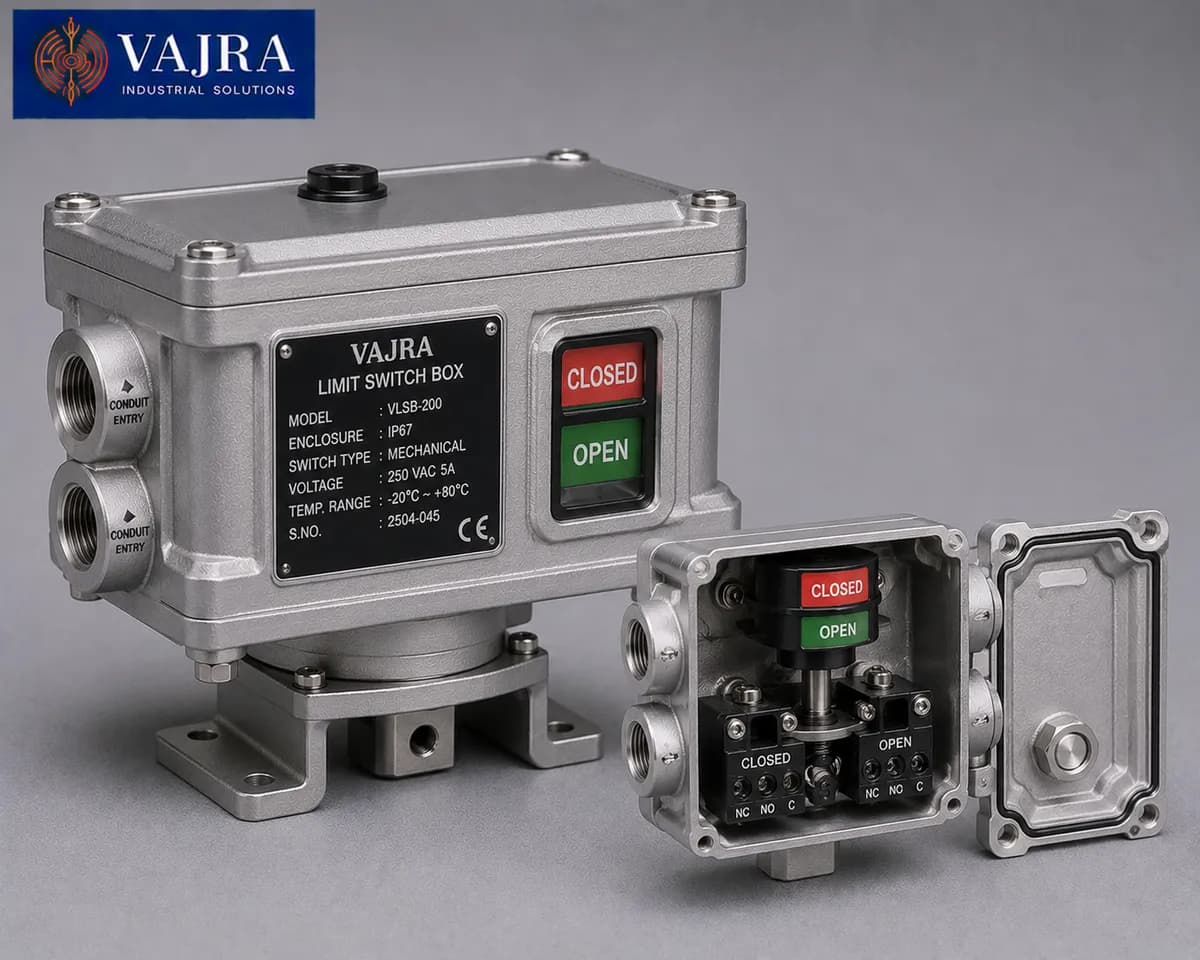
Limit Switch Box
Visual and electrical position feedback for automated valves.
Technical Specifications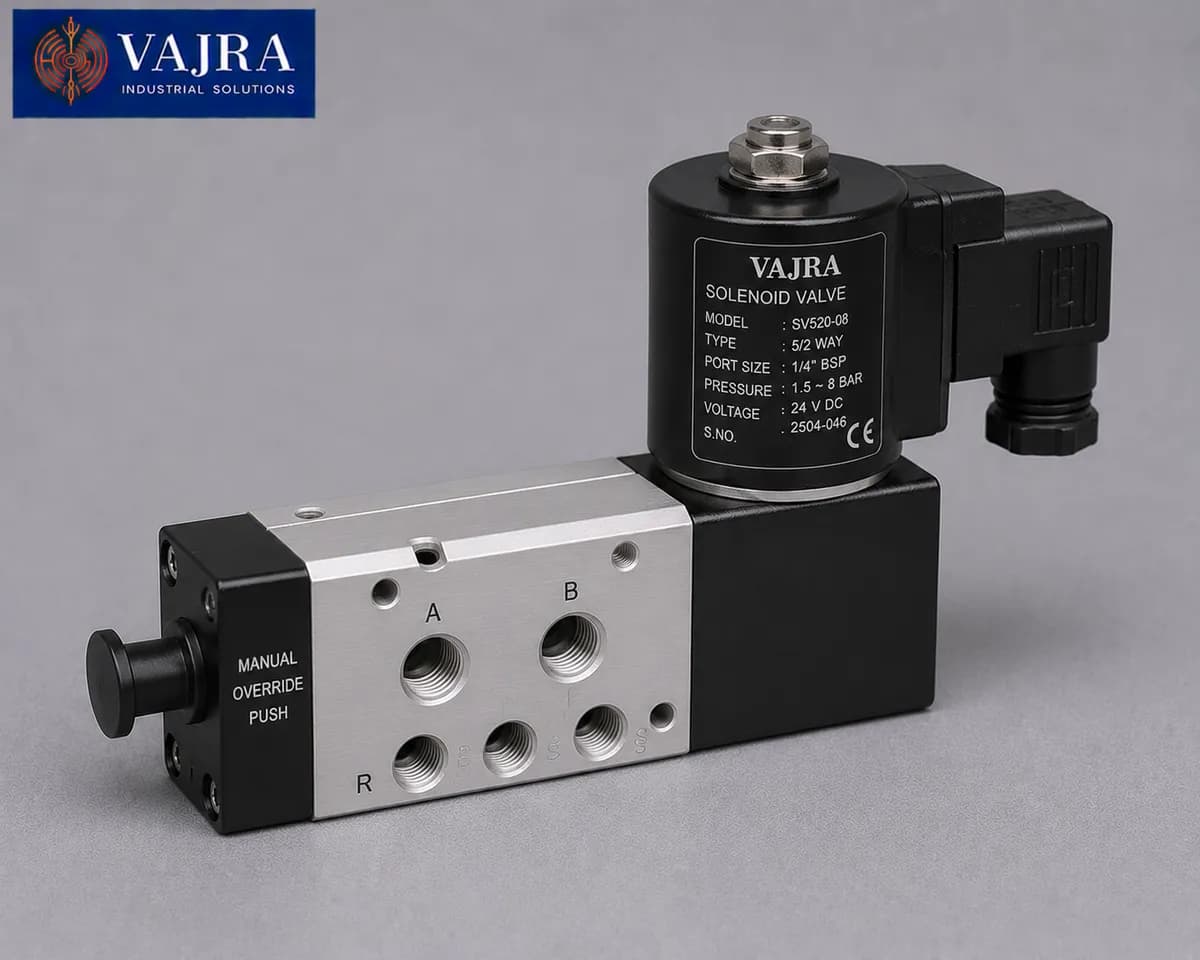
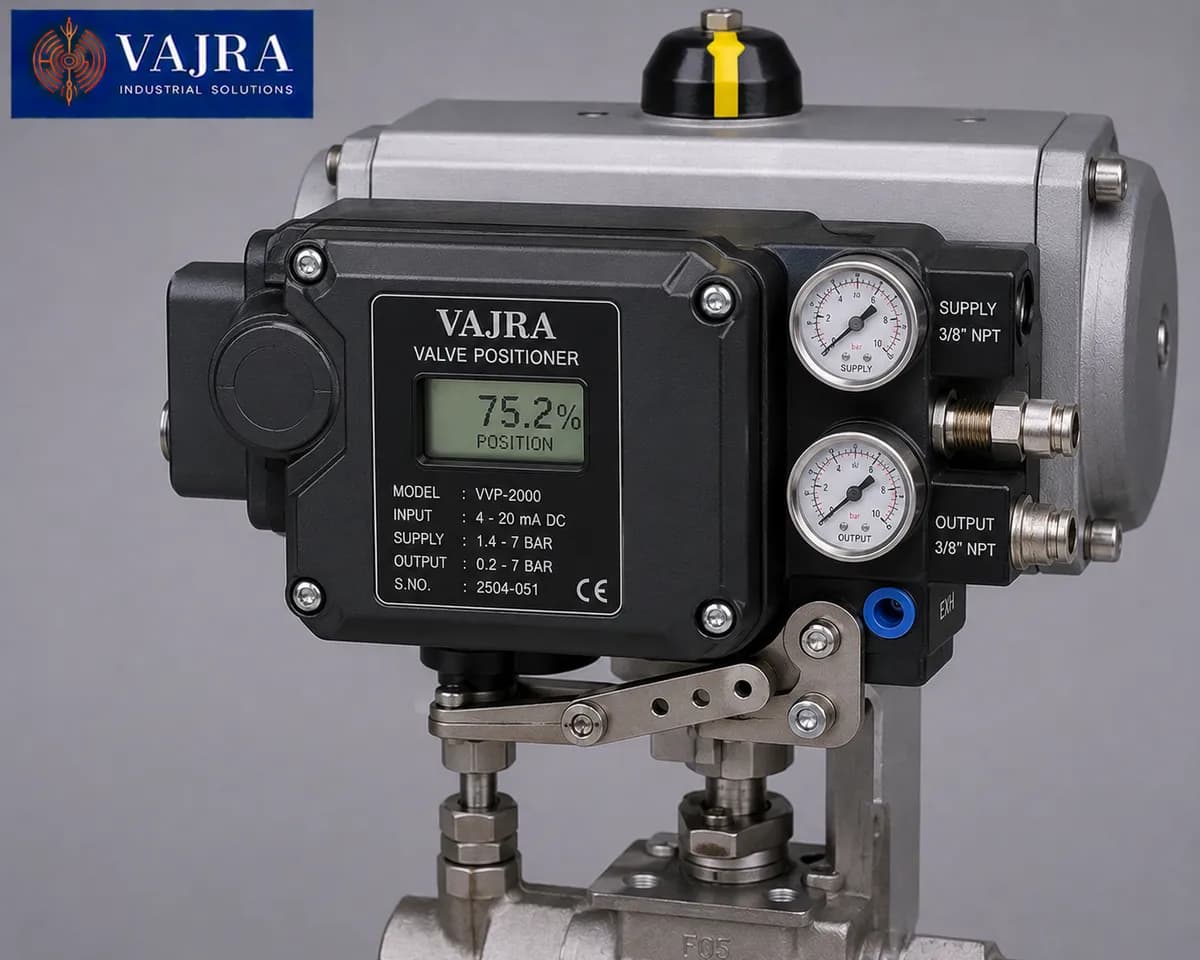
Valve Positioner
Pneumatic or electro-pneumatic positioner for precise valve positioning.
Technical Specifications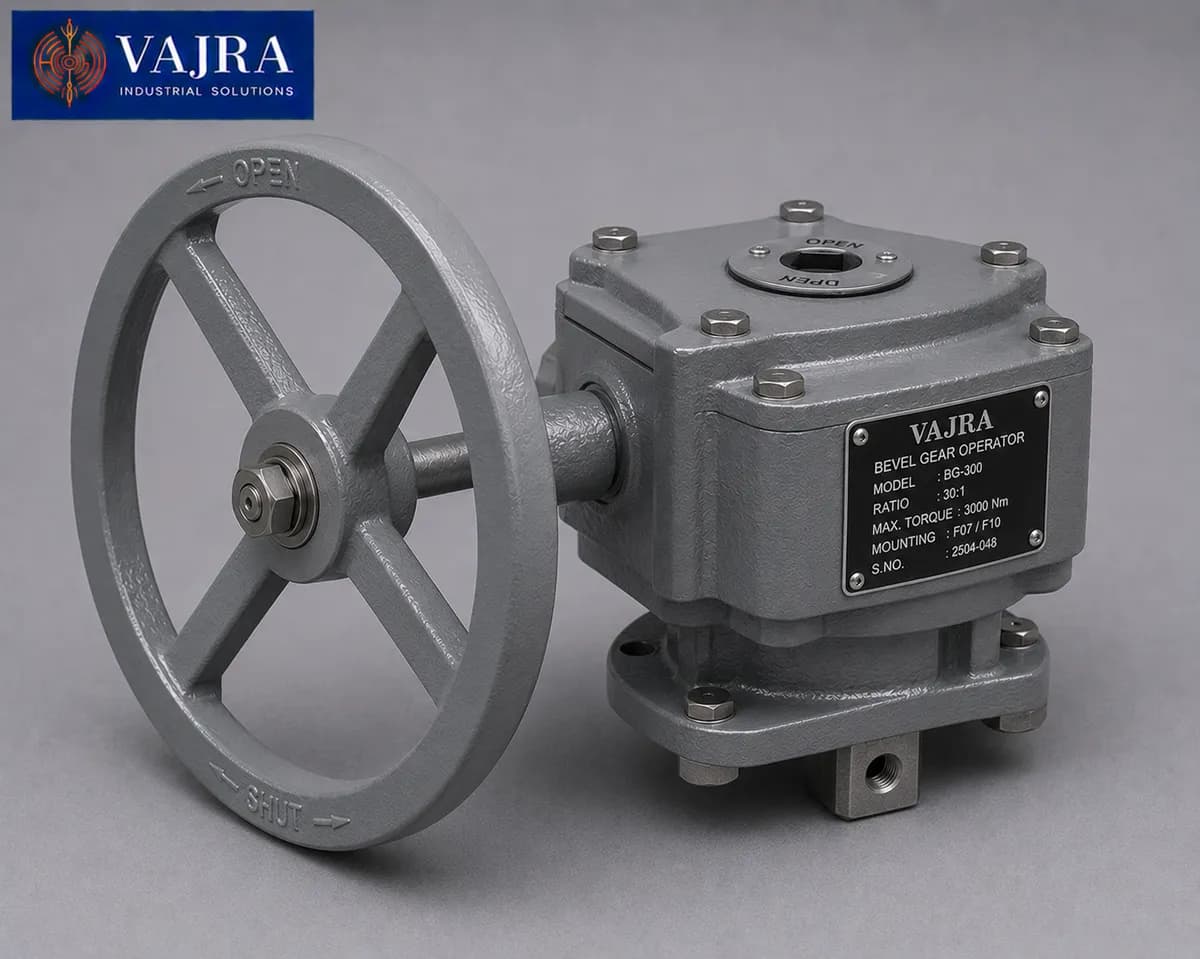
Manual Gear Operator (Gearbox)
Bevel or spur gear operator for manual operation of large-diameter ball, gate, butterfly, and plug valves.
Technical Specifications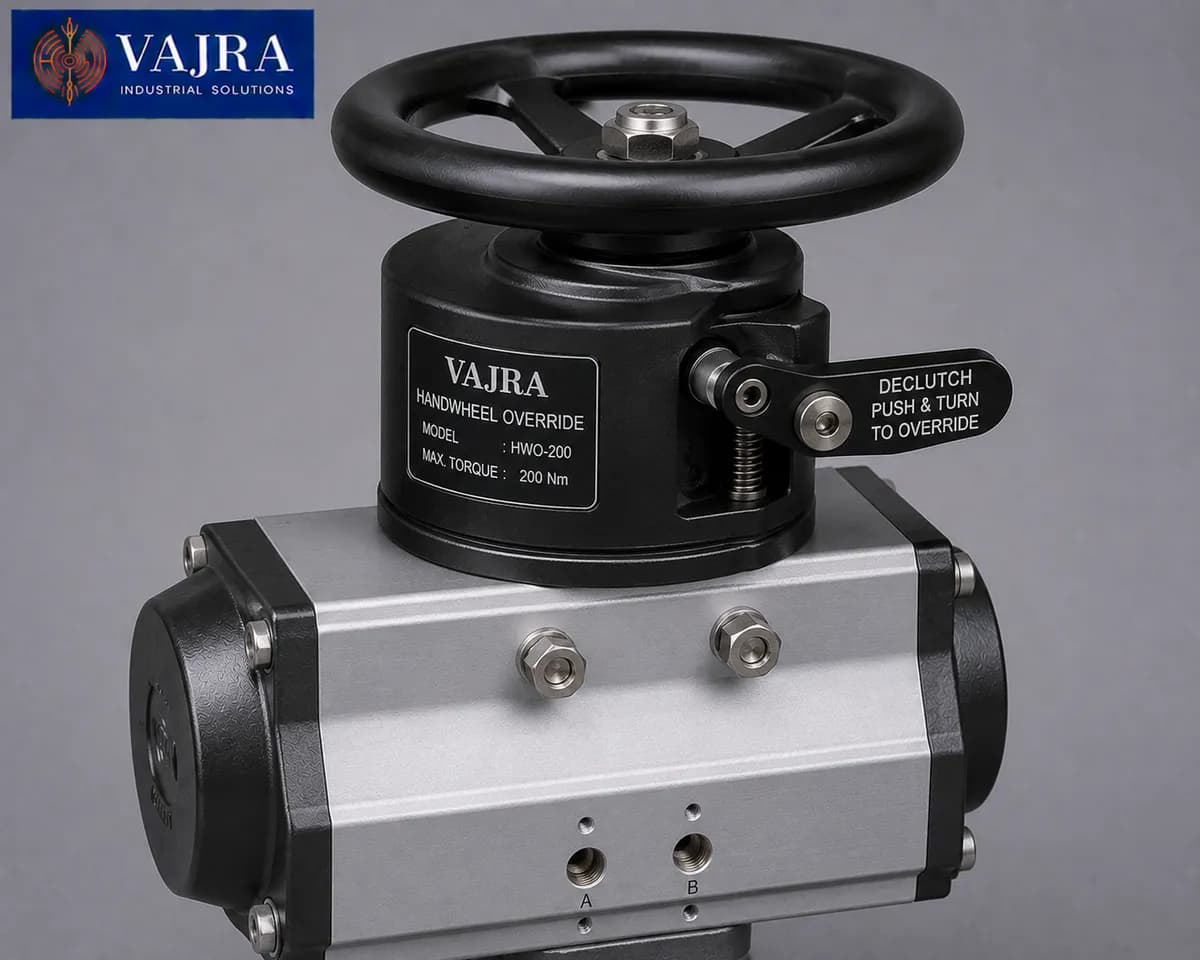
Handwheel Override for Actuators
Declutchable manual override handwheel for pneumatic and electric actuators - allows manual operation during power/air failure.
Technical SpecificationsNeed Accessories?
Get a competitive quote within 24 hours - API 6D, ASME B16.34 certified.
Frequently Asked Questions
Technical questions about Accessories - selection, materials, standards & ordering
What is a valve positioner and when is it needed?+
A valve positioner receives a control signal (4–20 mA, 3–15 psi, or digital fieldbus) and continuously adjusts the actuator air supply pressure until the valve stem or shaft position precisely matches the set point. Positioners are required for any modulating (throttling) service - not just on-off - because they overcome packing friction, hysteresis, and spring non-linearity that would otherwise cause the valve to stop at the wrong position. Without a positioner, a valve may respond to a 50% input signal with anywhere from 40% to 60% travel, introducing significant process control error.
What is the difference between a smart (digital) positioner and an analogue positioner?+
Analogue positioners use mechanical levers and springs to compare the control signal to the valve position and adjust the air output accordingly - simple, reliable, and immune to electrical noise. Smart (digital) positioners integrate a microprocessor, position sensor, and HART, Foundation Fieldbus, or Profibus communication module. They provide remote auto-calibration, partial stroke testing (PST) for ESD valves, valve signature diagnostics (detecting seat wear, actuator leaks, packing friction increase), and predictive maintenance data - all critical for modern digital plant management.
What types of limit switch boxes do you supply?+
We supply mechanical limit switch boxes (cam-operated micro-switches, 2×SPDT, adjustable) and proximity limit switch boxes (inductive or reed contact sensors - non-contact, vibration-immune, no mechanical wear). All are available in IP67 weatherproof and Ex d / Ex ia ATEX-certified (Zone 1/Zone 2) versions. NAMUR-compatible mounting is standard. Visual dome indicators (green/red) are fitted on all models for 30 m line-of-sight position indication. HART-compatible smart position sensors are also available for integration with digital control systems.
Do solenoid valves need explosion-proof certification for hazardous areas?+
Yes - any solenoid valve, limit switch, or electrical accessory installed in an ATEX Zone 1 or Zone 2 classified area must carry appropriate certification: Ex d IIC (flameproof) for Zone 1, or Ex ec / Ex nA for Zone 2. The gas group (IIA, IIB, IIC - where IIC covers hydrogen and acetylene, the most stringent) must also be specified. All Vajra solenoid valves for hazardous areas carry ATEX (EU) and IECEx (international) dual certification. Provide the area classification, gas group, and temperature class (T1–T6) when ordering for hazardous locations.
Procurement & Specification
Typical Applications
Available Standards
Material Options
Documentation Available
- -EN 10204 3.1 Material Test Certificates (heat traceable)
- -API 598 hydrostatic shell & seat test reports
- -Dimensional inspection reports
- -Full Manufacturing Data Record (MDR) / data book on request
Inspection Options
- -In-house QC inspection on every order
- -Third-party inspection (SGS / Bureau Veritas / TÜV / DNV) coordination
- -Witness and hold points accommodated on request
Order Quantities
Flexible — from single critical-spare valves to full project lots.
Export
Worldwide export with complete documentation (COO, EUR.1, packing lists) to 20+ countries.
Custom Engineering
Built to your specification — materials, trim, pressure class and special service (NACE, fire-safe, IBR, cryogenic).
Delivery Support
Dispatch from Vadodara, Gujarat with documented lead times and priority handling for urgent requirements.
Engineering references
Technical Guides
Learn More About Accessories
Technical Guides · 8 min read
Valve Accessories Selection Guide: Positioners, Limit Switches, Solenoids, and Handwheels
Automated valves require a range of accessories to function reliably in industrial control systems. This guide covers valve positioners, limit switches, solenoid valves, air filter regulators, handwheel overrides, locking devices, and I/P converters - with selection criteria for each.
Read Guide
Technical Guides · 10 min read
Fugitive Emissions from Industrial Valves: ISO 15848, API 641, and Low-E Stem Sealing
Valve stem and shaft seals are the leading source of process plant fugitive emissions of VOCs, methane, and toxic gases. ISO 15848, API 641, and EPA LDAR regulations define the test methods and acceptance criteria for low-emission (Low-E) valves now mandated across the oil, gas, and chemical industries.
Read Guide
Maintenance & Operations · 10 min read
Valve Packing and Gland Maintenance: A Practical Engineering Guide
Valve packing is the primary stem seal that prevents process fluid from leaking to atmosphere along the valve stem. Selecting the right packing material, correctly loading the gland, and re-packing without taking the valve out of service are critical maintenance skills for safe and environmentally compliant plant operations. This guide covers packing types, fugitive emission standards, and step-by-step maintenance procedures.
Read Guide