Gate Valves
Robust gate valves for full-flow isolation and on-off service in various industrial systems.
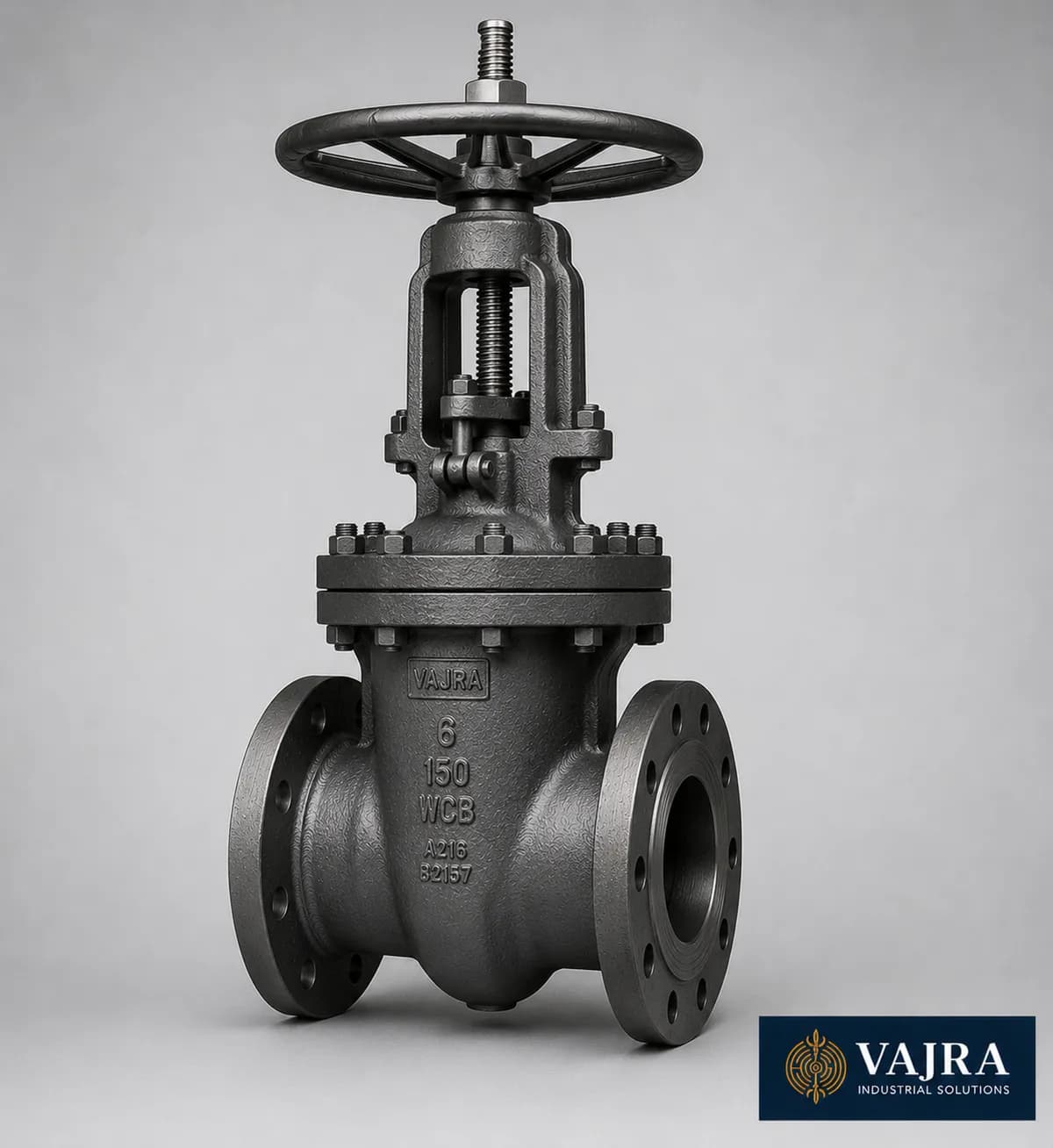
Wedge Gate Valve
Traditional wedge design gate valve for reliable isolation in water, oil, and gas services.
Technical Specifications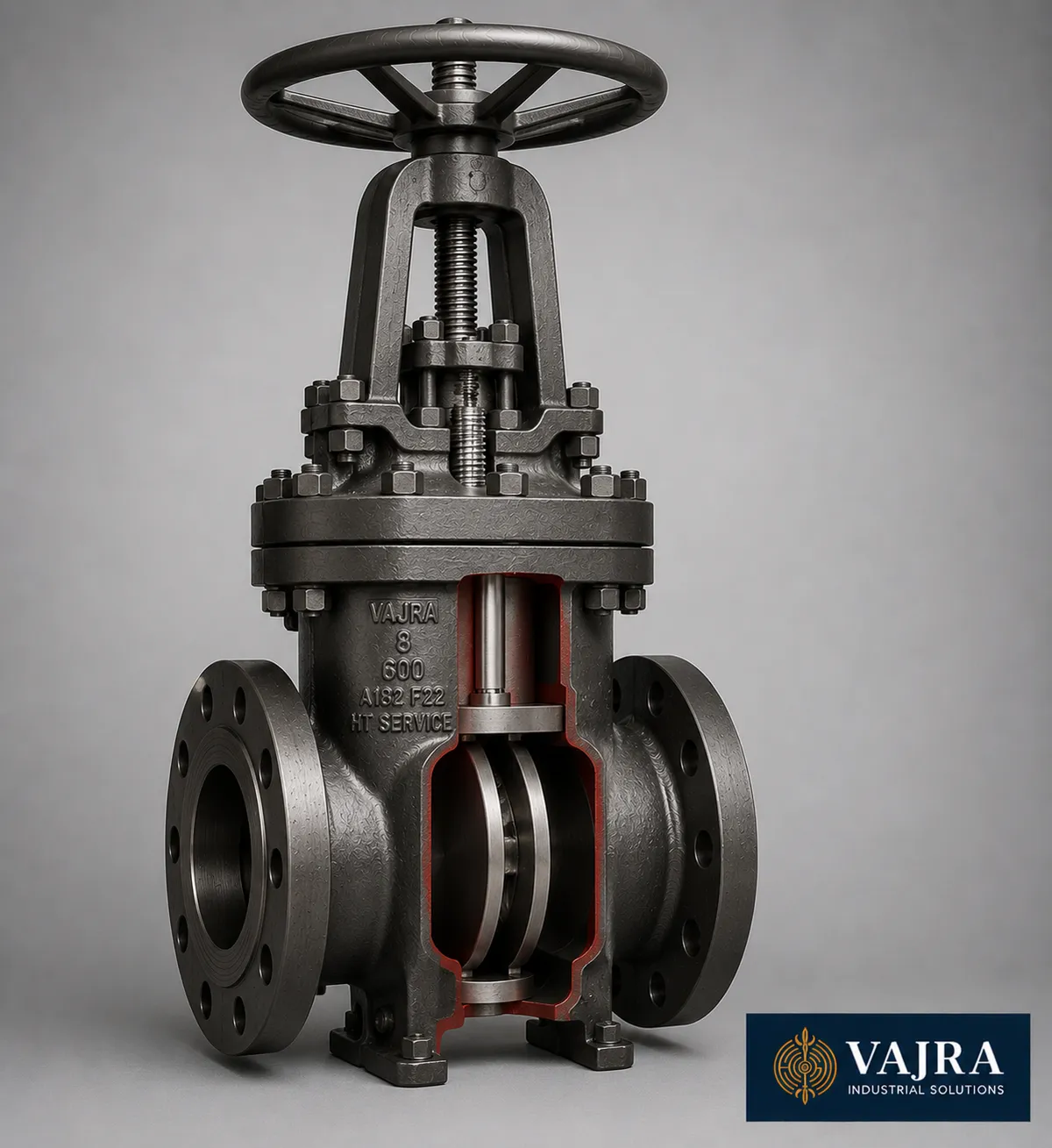
Parallel Slide Gate Valve
High-temperature gate valve with parallel disc design for steam and power plant applications.
Technical Specifications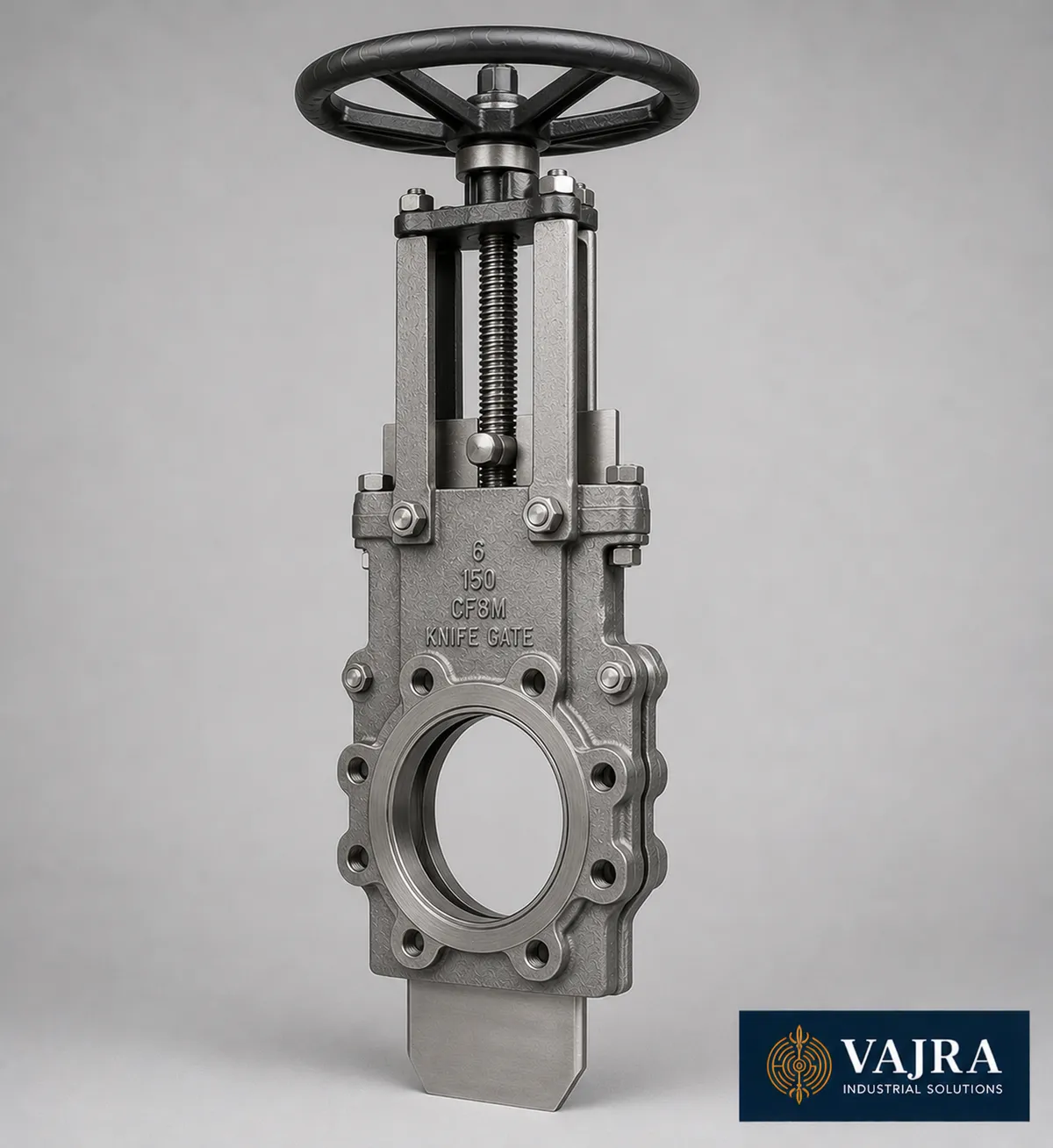
Knife Gate Valve
Sharp-edged gate design for slurry, pulp, and abrasive media applications.
Technical Specifications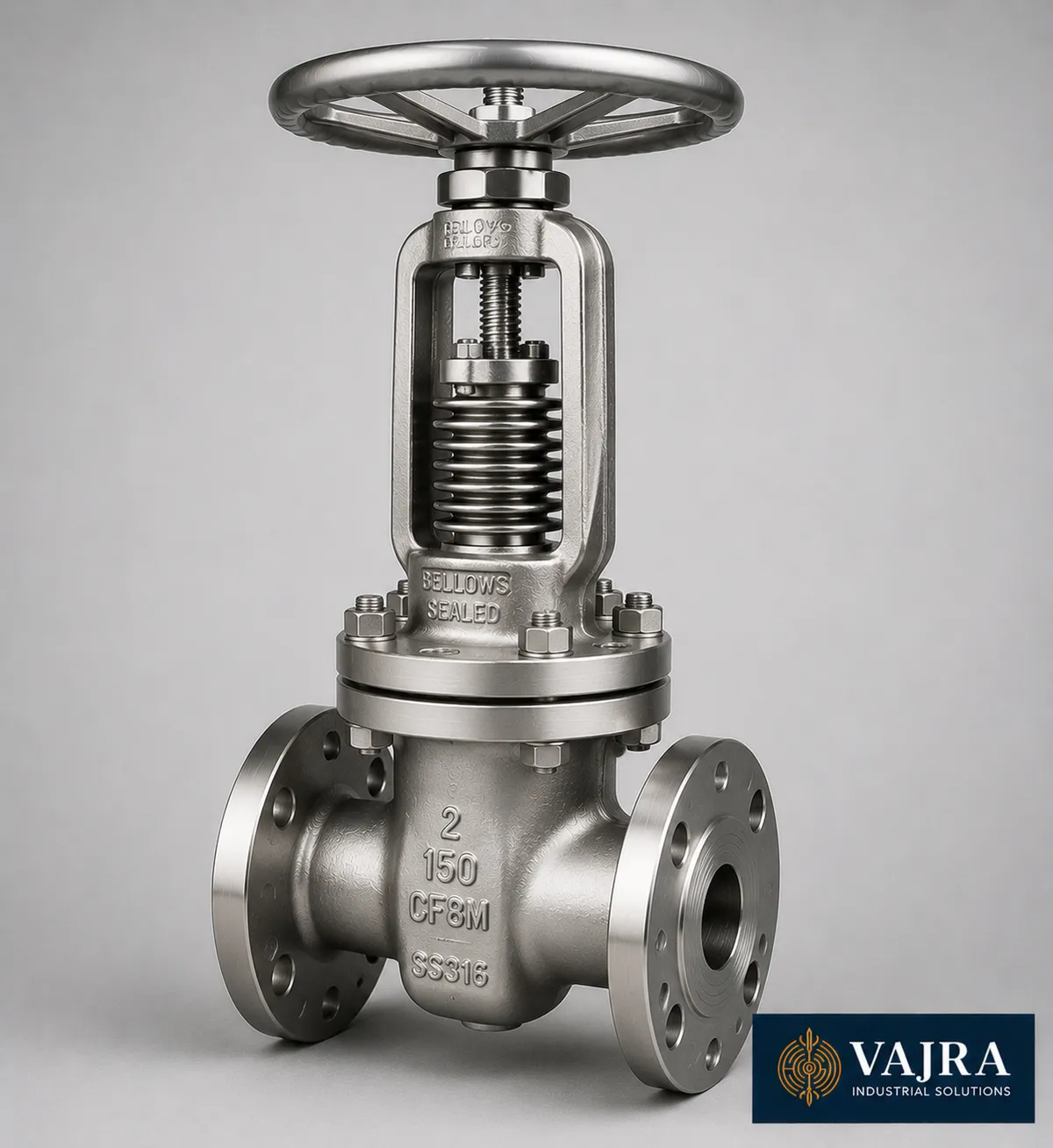
Bellows Sealed Gate Valve
Zero fugitive emission gate valve with metallic bellows stem seal for toxic, carcinogenic, and environmental protection services.
Technical Specifications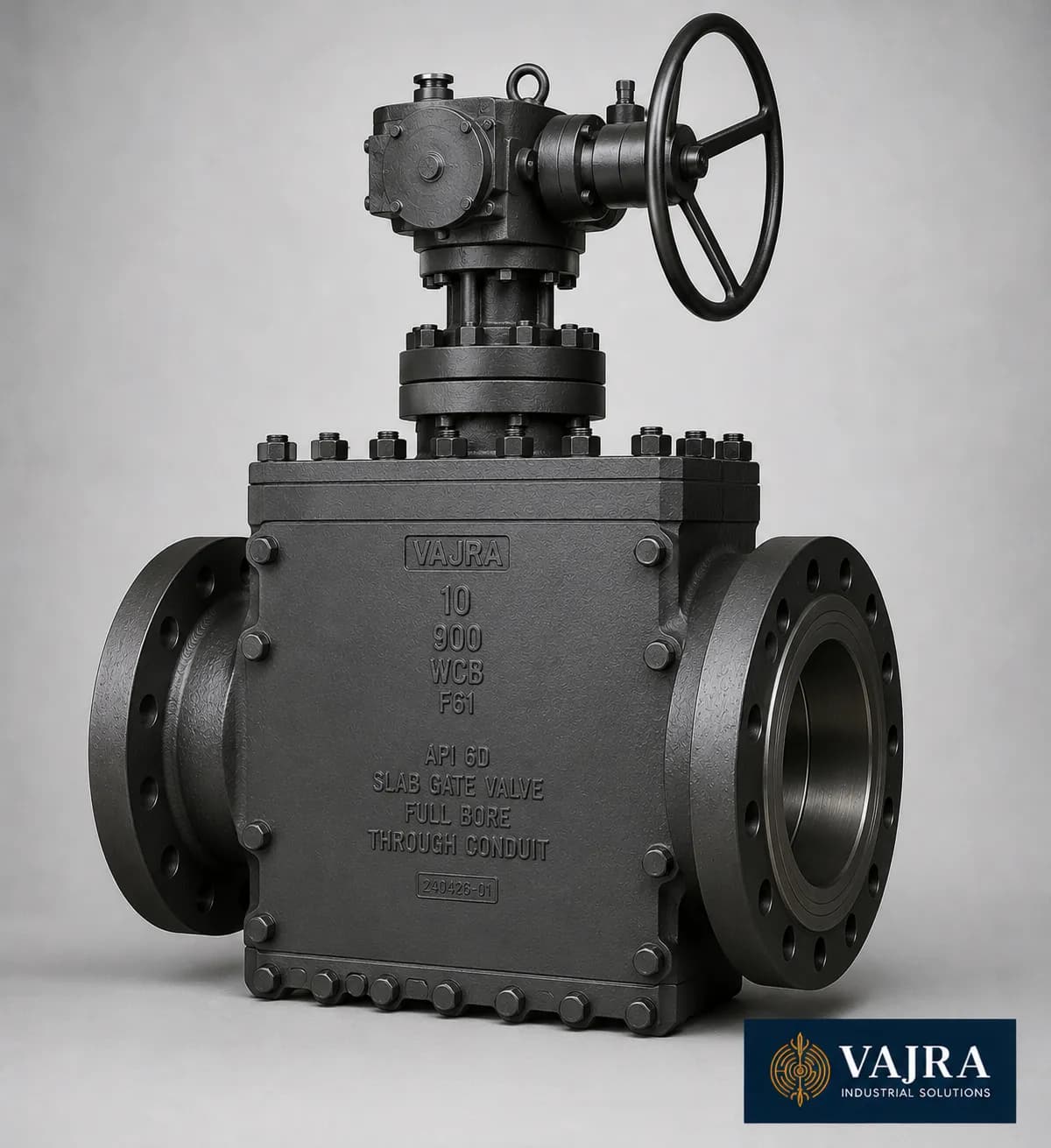
Slab Gate / Through-Conduit Gate Valve
Full-bore through-conduit design with solid slab gate for pigging operations and pipeline isolation.
Technical SpecificationsNeed Gate Valves?
Get a competitive quote within 24 hours - API 6D, ASME B16.34 certified.
Frequently Asked Questions
Technical questions about Gate Valves - selection, materials, standards & ordering
Rising stem vs. non-rising stem gate valve - which to specify?+
Rising stem gate valves have the stem attached to the gate: as the valve opens, the stem rises above the handwheel, providing immediate visual position indication (stem exposed = valve open). Specify rising stem for above-ground installations, indoor plant rooms, or wherever visual position confirmation is required. Non-rising stem valves - where the stem rotates in place and a position indicator shows open/closed - are used in underground installations, valve pits, or where headroom above the handwheel is restricted.
What is the difference between API 600 and API 602 gate valves?+
API 600 covers cast steel gate valves in sizes 2" and larger (large bore), designed for Class 150 through 2500 service. API 602 covers small-bore gate valves (≤1.5") in forged steel with socket weld, butt weld, or threaded ends - these are the compact, high-pressure instrument-line isolators used on chemical injection, sample, and vent connections. For stainless steel gate valves in sizes 2"–12", API 603 applies.
Can gate valves be used for throttling service?+
No. Gate valves must only be used in the fully open or fully closed position. In partial-open position, the high-velocity fluid jet created by the restricted gate-to-seat gap causes wire drawing - progressive erosion of the gate and seat faces - leading to rapid seat degradation, loss of tight shut-off, and eventual valve failure. For any throttling, flow regulation, or frequent cycling service, use globe valves, control valves, or V-port ball valves.
What alloy steel grades are used for high-temperature steam gate valves?+
For power plant and industrial steam service: WC6 (1.25% Cr – 0.5% Mo) body is rated to 510°C (950°F); WC9 (2.25% Cr – 1% Mo) to 565°C (1050°F); C12A / P91 (9% Cr – 1% Mo – V + Nb) to 620°C (1150°F) for ultra-supercritical steam. All high-alloy gate valves are supplied with full PMI (Positive Material Identification) and PWHT (Post-Weld Heat Treatment) documentation. Stellite hard-faced seats are standard for high-temperature steam service.
Procurement & Specification
Typical Applications
Available Standards
Material Options
Documentation Available
- -EN 10204 3.1 Material Test Certificates (heat traceable)
- -API 598 hydrostatic shell & seat test reports
- -Dimensional inspection reports
- -Full Manufacturing Data Record (MDR) / data book on request
Inspection Options
- -In-house QC inspection on every order
- -Third-party inspection (SGS / Bureau Veritas / TÜV / DNV) coordination
- -Witness and hold points accommodated on request
Order Quantities
Flexible — from single critical-spare valves to full project lots.
Export
Worldwide export with complete documentation (COO, EUR.1, packing lists) to 20+ countries.
Custom Engineering
Built to your specification — materials, trim, pressure class and special service (NACE, fire-safe, IBR, cryogenic).
Delivery Support
Dispatch from Vadodara, Gujarat with documented lead times and priority handling for urgent requirements.
Engineering references
Connected Engineering
Technical Guides
Learn More About Gate Valves
Technical Guides · 8 min read
Gate Valve Wedge Types: Solid, Flexible, Split, Parallel Slide - Selection Guide
The gate valve family encompasses several distinct wedge and disc designs - each optimised for specific operating conditions. Selecting the wrong wedge type leads to galling, thermal binding, difficulty operating, or poor sealing. This guide covers solid wedge, flexible wedge, split wedge, and parallel slide designs with selection criteria for each.
Read Guide
Valve Selection · 8 min read
Ball Valve vs Gate Valve: Technical Comparison for Industrial Applications
Ball valves and gate valves are both used for on-off isolation, but they differ significantly in design, operating characteristics, seating performance, and maintenance requirements. This guide covers everything you need to know to make the right selection.
Read Guide
Technical Guides · 9 min read
High-Temperature Valve Selection Guide - Above 300°C to 600°C
Selecting valves above 300°C requires Cr-Mo alloy steel bodies, Stellite trim, graphite packing, and verification against API 941 Nelson curves - this guide explains every decision point.
Read Guide
Valve Comparisons