Butterfly Valves
Compact and efficient butterfly valves for large-scale flow control and isolation.
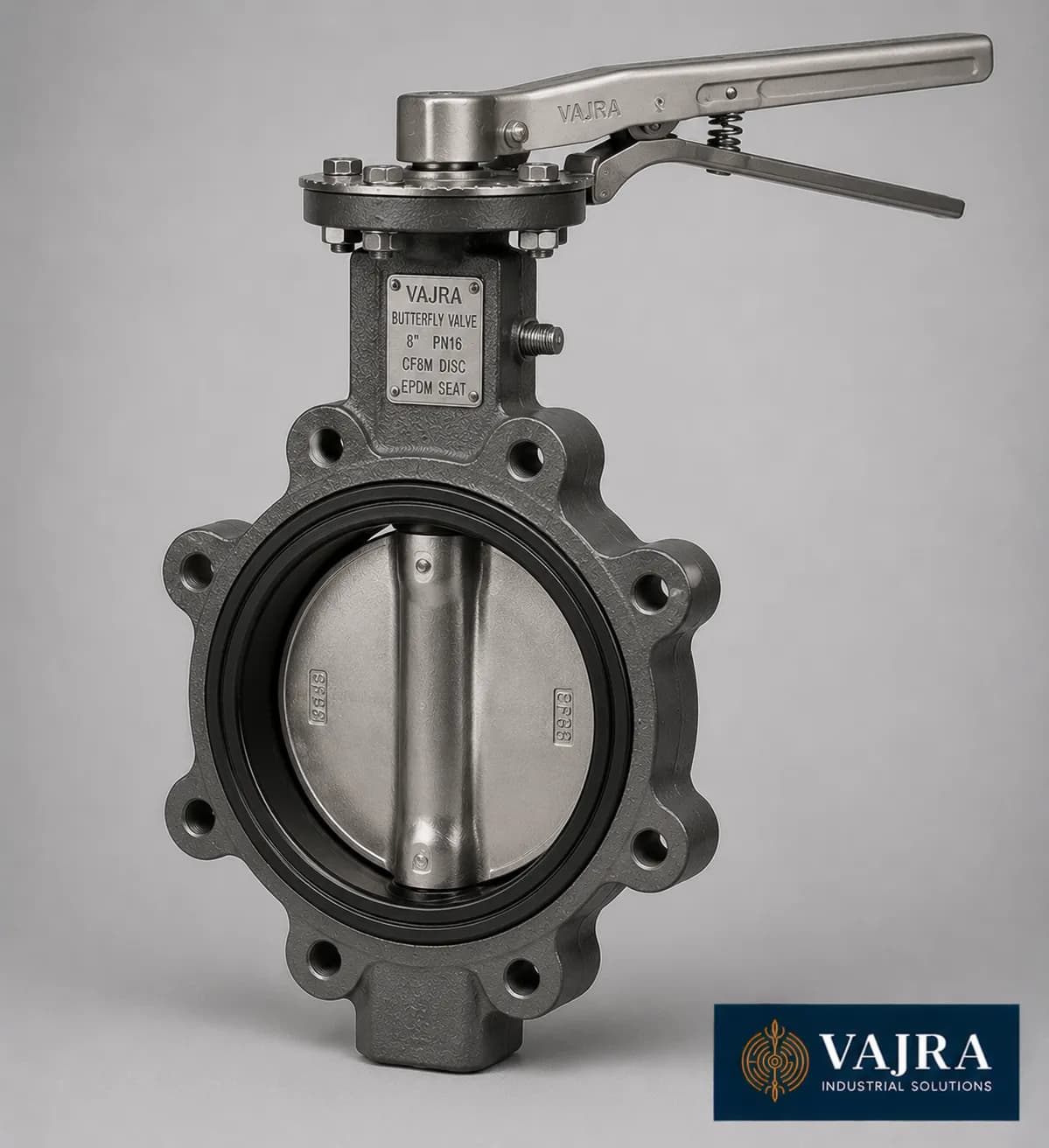
Wafer Type Butterfly Valve
Lightweight wafer design that fits between flanges for space-saving installation.
Technical Specifications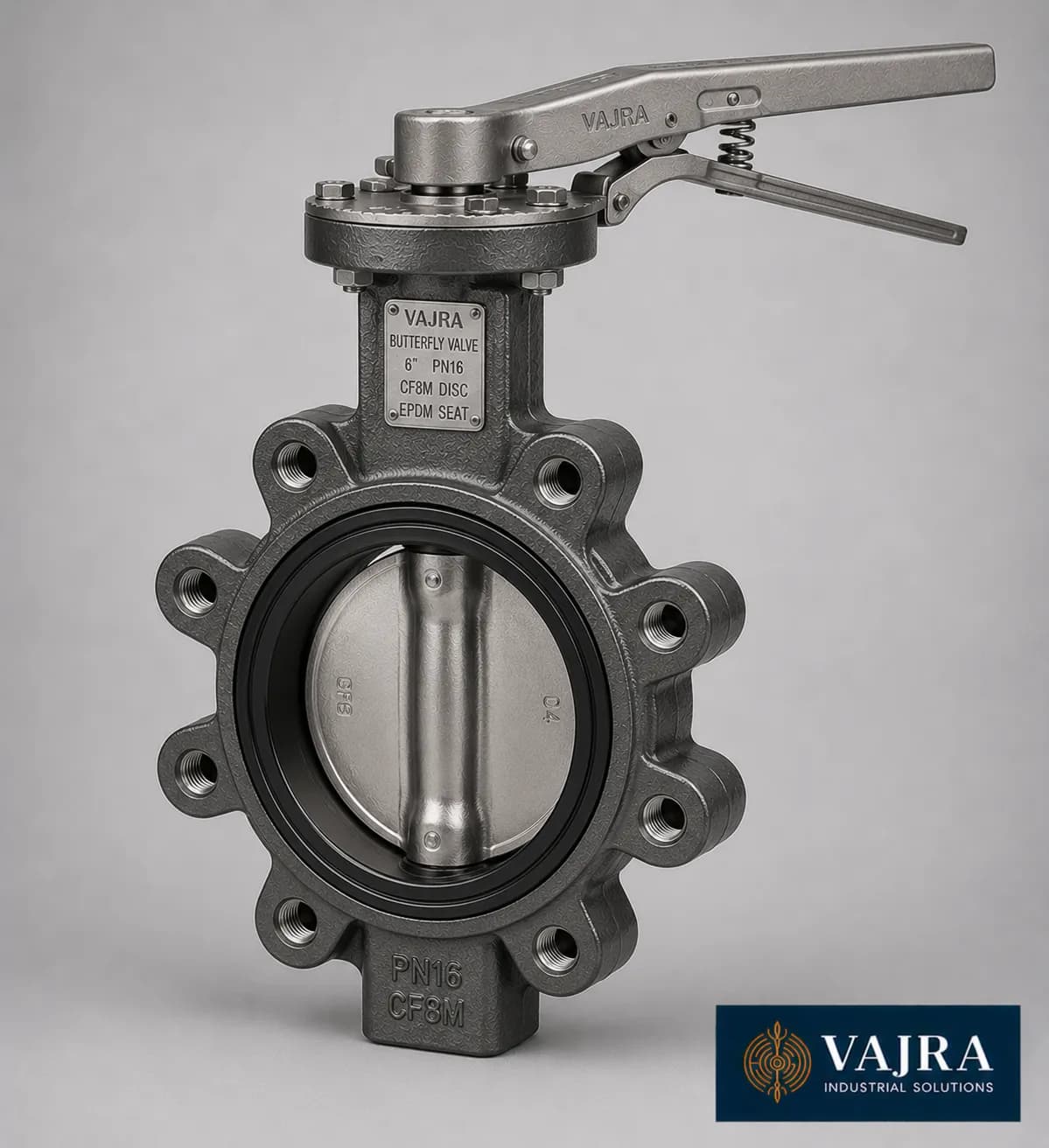
Lug Type Butterfly Valve
Threaded lug design allowing removal of downstream piping without disturbing the system.
Technical Specifications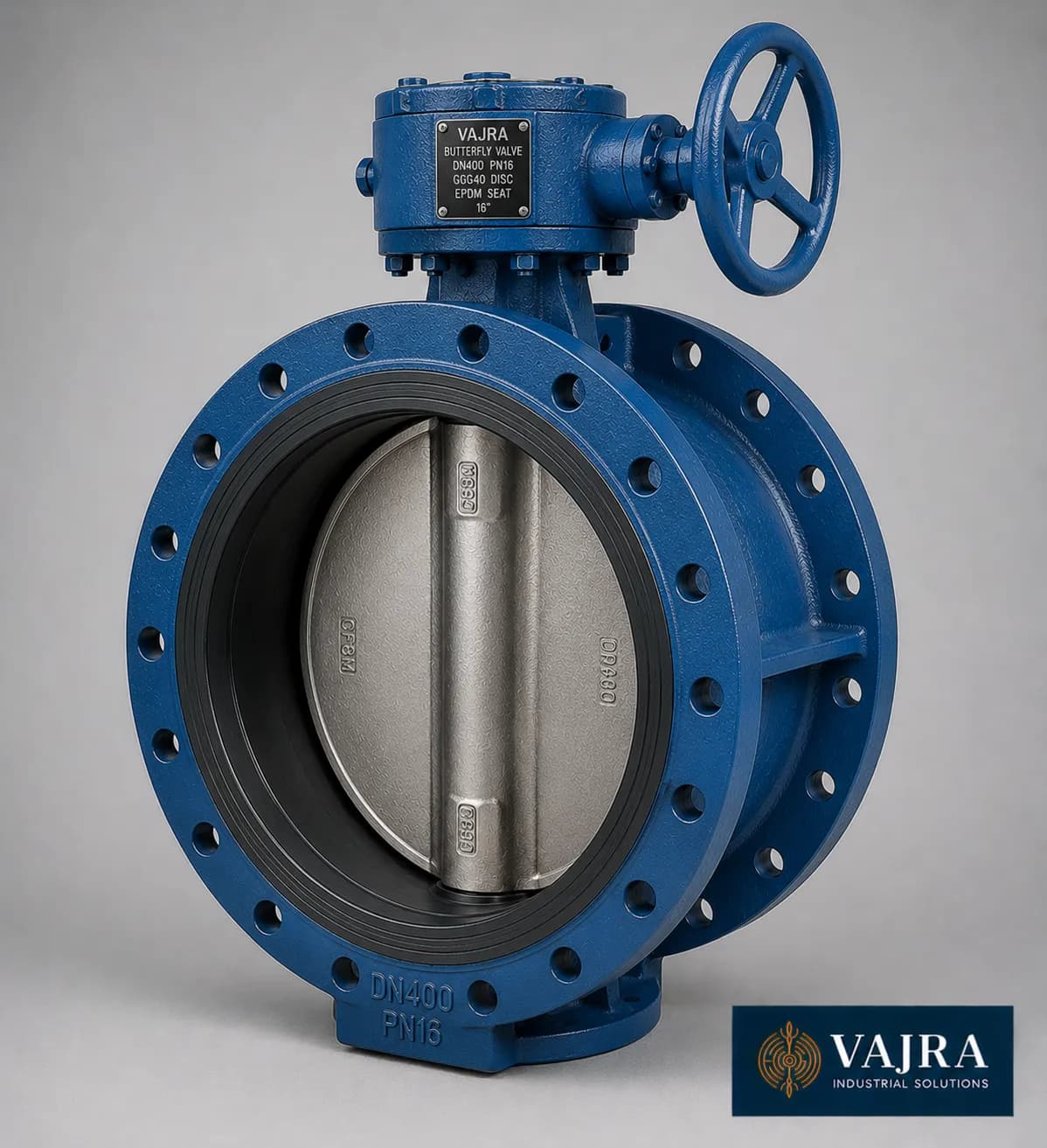
Double Flanged Butterfly Valve
Heavy-duty flanged design for high-pressure and critical service applications.
Technical Specifications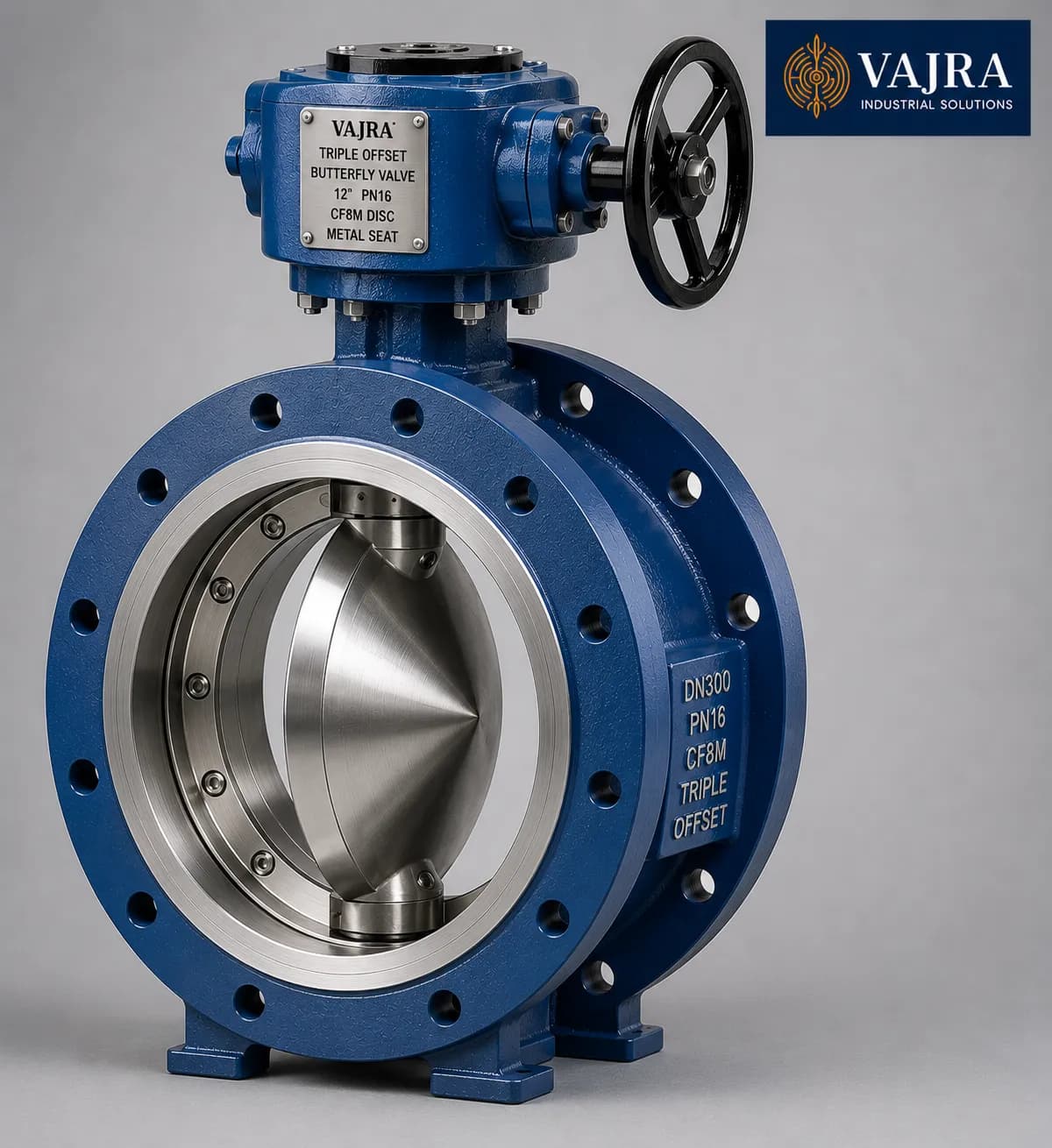
Triple Offset Butterfly Valve
Metal-seated, zero-leakage design for high-temperature and high-pressure applications.
Technical SpecificationsNeed Butterfly Valves?
Get a competitive quote within 24 hours - API 6D, ASME B16.34 certified.
Frequently Asked Questions
Technical questions about Butterfly Valves - selection, materials, standards & ordering
Concentric, double-offset, and triple-offset butterfly valves - what is the difference?+
Concentric (centric) butterfly valves have the shaft running through the disc centre with a rubber elastomer seat - simple, low-cost, suitable for water and HVAC up to 200°C (limited by elastomer). Double-offset (high-performance) butterfly valves move the shaft behind the disc centreline, reducing seat rubbing and allowing PTFE soft seats for tighter shut-off and higher temperatures to 260°C. Triple-offset butterfly valves add a third geometric offset creating a cam-action, friction-free closure - the metal-to-metal seat provides ANSI Class VI (bubble-tight) shut-off from -196°C to +815°C and is inherently fire-safe.
What does API 609 Category A vs. Category B mean?+
API 609 covers butterfly valves for general refinery and petrochemical service. Category A includes wafer and lug types (clamped between flanges) - applicable to lug-body designs used in dead-end service and most standard applications. Category B covers double-flanged designs with raised face or ring joint flanges, rated for higher pressures and temperatures. Category B also requires more stringent testing - including seat leak test per API 598 - making it the specification of choice for critical or high-integrity shutoff requirements.
Are butterfly valves fire-safe?+
Triple-offset butterfly valves with metal-to-metal seats are inherently fire-safe - there are no elastomers to burn. Concentric and double-offset designs with elastomer or PTFE seats are NOT fire-safe in their standard form; fire-safe versions with secondary metal seat rings and graphite stem seals are available and tested to API 607. If your process handles flammable or combustible fluids, always specify API 607 fire-tested butterfly valves or use triple-offset metal-seated designs.
What is the maximum size available for butterfly valves?+
Standard production butterfly valves are available up to DN1200 (48") for double-flanged and triple-offset designs. Concentric wafer and lug designs are typically available to DN600 (24") in stocked production; larger sizes up to DN1200 on request. For special requirements above DN1200 - such as large dam, power plant inlet, or water authority trunk main applications - please contact our engineering team for a bespoke quotation.
Procurement & Specification
Typical Applications
Available Standards
Material Options
Documentation Available
- -EN 10204 3.1 Material Test Certificates (heat traceable)
- -API 598 hydrostatic shell & seat test reports
- -Dimensional inspection reports
- -Full Manufacturing Data Record (MDR) / data book on request
Inspection Options
- -In-house QC inspection on every order
- -Third-party inspection (SGS / Bureau Veritas / TÜV / DNV) coordination
- -Witness and hold points accommodated on request
Order Quantities
Flexible — from single critical-spare valves to full project lots.
Export
Worldwide export with complete documentation (COO, EUR.1, packing lists) to 20+ countries.
Custom Engineering
Built to your specification — materials, trim, pressure class and special service (NACE, fire-safe, IBR, cryogenic).
Delivery Support
Dispatch from Vadodara, Gujarat with documented lead times and priority handling for urgent requirements.
Engineering references
Connected Engineering
Technical Guides
Learn More About Butterfly Valves
Valve Selection · 7 min read
Butterfly Valve Types: Concentric, High-Performance and Triple-Offset - Complete Selection Guide
Butterfly valves come in three main designs - concentric (resilient-seated), double-eccentric (high-performance), and triple-offset (metal-seated). Understanding the differences is essential for selecting the right butterfly valve for water, HVAC, oil and gas, power, or chemical service.
Read Guide
Technical Guides · 10 min read
Triple-Offset Butterfly Valves: Design, Standards, and Applications
Triple-offset butterfly valves (TOBVs) represent the highest performance tier of the butterfly valve family - eliminating rubbing contact during operation, providing metal-to-metal bubble-tight shut-off, and qualifying for fire-safe service per API 607. This guide explains the three geometric offsets, compares TOBV to double-offset designs, and covers key selection criteria.
Read Guide
Valve Selection · 9 min read
Valve Trim Selection: Soft Seat vs Metal Seat - A Technical Guide
Choosing between soft seat and metal seat trim is one of the most critical decisions in valve specification. Soft seats provide bubble-tight shut-off but are limited by temperature and abrasion; metal seats endure extreme temperatures and erosive service but require tighter machining tolerances. This guide breaks down the key differences.
Read Guide
Valve Comparisons