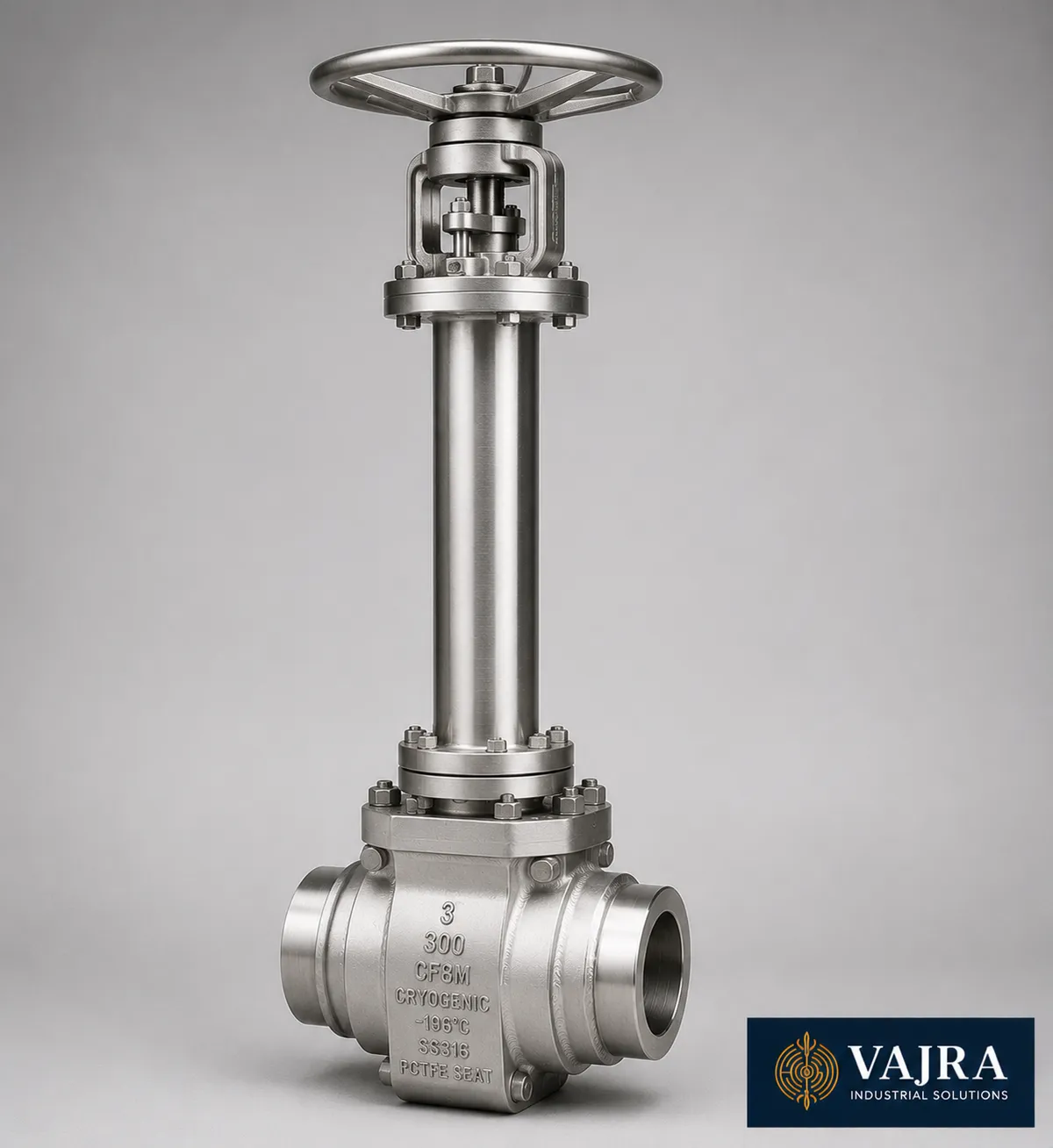
Cryogenic Ball Valve
Extended bonnet design engineered for low-temperature LNG, LOX, LIN, and LAr service down to -196°C.
Technical Specifications
| Type | Cryogenic (Extended Bonnet) |
| Size Range | 1/2" to 24" (15 mm to 600 mm) |
| Body Materials | SS304 / SS316, CF8/CF8M, LCC, LTCS (A352 LCC) |
| Ball Material | SS316 / Polished |
| Seat Material | PCTFE, PTFE, PEEK |
| Stem Design | Extended bonnet for insulation standoff |
| End Connections | Flanged, Butt Weld |
| Pressure Rating | Class 150 / 300 / 600 |
| Standards | API 6D,BS 6364,ISO 21011 |
| Lead Time | Ex-stock Gujarat: Same day | Standard items: 2–4 weeks | Exotic alloys: 8–12 weeks |
Applications
LNG terminals, cryogenic storage, air separation, LOX/LIN/LAr
About the Cryogenic Ball Valve
The cryogenic ball valve is engineered specifically for service at extremely low temperatures - down to -196°C (liquid nitrogen/liquid argon) and below - where standard valve materials and seal designs become dangerously brittle or leak due to thermal contraction. The defining feature is the extended bonnet: the valve bonnet is elongated (typically 150–400 mm depending on insulation thickness) so that the packing and stem seals are positioned well above the cold pipe, in a warm zone above the insulation layer. This prevents cryogenic liquid from reaching and freezing the packing, and protects operating personnel from burn injuries caused by touching liquid nitrogen-temperature surfaces.
Seat materials are critical in cryogenic service. PCTFE (polychlorotrifluoroethylene) is the most common cryogenic seat material - it remains flexible and seals reliably at -196°C without the brittleness that affects PTFE at very low temperatures. Body and bonnet materials must be austenitic stainless steel (SS316, CF8M) or Low Temperature Carbon Steel (LTCS / A352 LCC), which retain adequate impact toughness at sub-zero temperatures. Vajra Industrial Solutions supplies cryogenic ball valves tested to BS 6364 and ISO 21011 cryogenic testing protocols, with all valves cold-shock tested and seat-tested at operating temperature prior to delivery.
Where It's Used
Key industries and applications for the Cryogenic Ball Valve
LNG import and export terminals
Class 150–600 SS316 or A352 LCC cryogenic ball valves for LNG transfer lines, loading arms, vapour return headers, and BOG (boil-off gas) compressor suction; extended bonnet length specified per insulation schedule
Air separation units (ASU)
SS316 cryogenic ball valves for liquid oxygen (LOX), liquid nitrogen (LIN), and liquid argon (LAr) product lines at -183°C to -196°C; LOX service requires rigorous degreasing and oxygen-clean certification
Industrial gas storage and distribution
LTCS or SS316 cryogenic ball valves on liquid CO2, LNG, and LIN storage tank nozzles, vaporiser inlet/outlet, and tanker loading/unloading connections
Petrochemical and ethylene plants
cryogenic ball valves for propylene refrigeration and ethylene cold box service; ASTM A352 LCC or A351 CF8M body for deep-cold hydrocarbon service at -100°C to -160°C
Research and defence cryogenic systems
precision SS316 cryogenic ball valves for liquid helium (LHe) at -269°C in MRI systems, superconductor test rigs, and aerospace propellant loading; special face-seal designs for ultra-low leakage
How to Choose the Right Cryogenic Ball Valve
For cryogenic ball valve specification, define: (1) minimum operating temperature - determines seat material (PCTFE for -196°C, PTFE for above -100°C) and body material (SS316 standard, LTCS LCC for cost savings on large sizes); (2) insulation type and thickness - determines extended bonnet length; (3) fluid - LOX service requires oxygen-clean (degreased) certification, separate from LNG or LIN service. Always specify a body vent hole to prevent hydraulic lock when the valve is closed on trapped liquid that vaporises.
Popular Configurations
Most commonly ordered specifications for the Cryogenic Ball Valve
Frequently Asked Questions
About Cryogenic Ball Valve - ordering, specs, delivery & compliance
What standards does the Cryogenic Ball Valve comply with?+
Our Cryogenic Ball Valve complies with API 6D, BS 6364, ISO 21011. All products are manufactured to international standards and come with full material test reports (MTR), dimensional inspection reports, and hydrostatic test certificates on request.
What materials are available for the Cryogenic Ball Valve?+
The Cryogenic Ball Valve is available in SS304 / SS316, CF8/CF8M, LCC, LTCS (A352 LCC). Material selection depends on your process fluid, temperature, pressure, and corrosion requirements.
What is the delivery lead time for Cryogenic Ball Valve?+
Standard stock sizes are available for immediate dispatch from our Vadodara warehouse. Custom sizes and special materials typically have a lead time of 2–6 weeks depending on specifications. We serve customers across India within 1–7 business days and export to the Middle East, Southeast Asia, Europe, and the Americas with full export documentation.
Can I get a custom Cryogenic Ball Valve for a specific application?+
Yes. Vajra Industrial Solutions supplies custom-engineered ball valves for specific process conditions. Submit your technical requirements - including pressure class, temperature range, fluid type, end connections, and any special trim or coating needs - via our RFQ form or WhatsApp, and our engineering team will respond within 24 hours.
What pressure ratings are available for the Cryogenic Ball Valve?+
The Cryogenic Ball Valve is available in pressure ratings of Class 150 / 300 / 600. Higher-pressure classes are available for critical service applications in oil & gas, power generation, and chemical processing.
How do I request a quote for the Cryogenic Ball Valve?+
You can request a quote by clicking the "Request Quote" button on this page, filling out our RFQ form at vajravyuh.com/rfq, emailing us at sales@vajravyuh.com, or WhatsApping us directly at +91-9979774557. Please include quantity, size, pressure class, material grade, and end-connection type for the fastest response.
What is a Cryogenic Ball Valve?
Extended bonnet design engineered for low-temperature LNG, LOX, LIN, and LAr service down to -196°C..
Procurement & Specification
Typical Applications
Available Standards
Material Options
Documentation Available
- -EN 10204 3.1 Material Test Certificates (heat traceable)
- -API 598 hydrostatic shell & seat test reports
- -Dimensional inspection reports
- -Full Manufacturing Data Record (MDR) / data book on request
Inspection Options
- -In-house QC inspection on every order
- -Third-party inspection (SGS / Bureau Veritas / TÜV / DNV) coordination
- -Witness and hold points accommodated on request
Order Quantities
Flexible — from single critical-spare valves to full project lots.
Export
Worldwide export with complete documentation (COO, EUR.1, packing lists) to 20+ countries.
Custom Engineering
Built to your specification — materials, trim, pressure class and special service (NACE, fire-safe, IBR, cryogenic).
Delivery Support
Dispatch from Vadodara, Gujarat with documented lead times and priority handling for urgent requirements.
Connected Engineering
Need a Quote for Cryogenic Ball Valve?
Our technical sales team responds within 24 hours. Share your specs and get competitive pricing.
Other Ball Valves
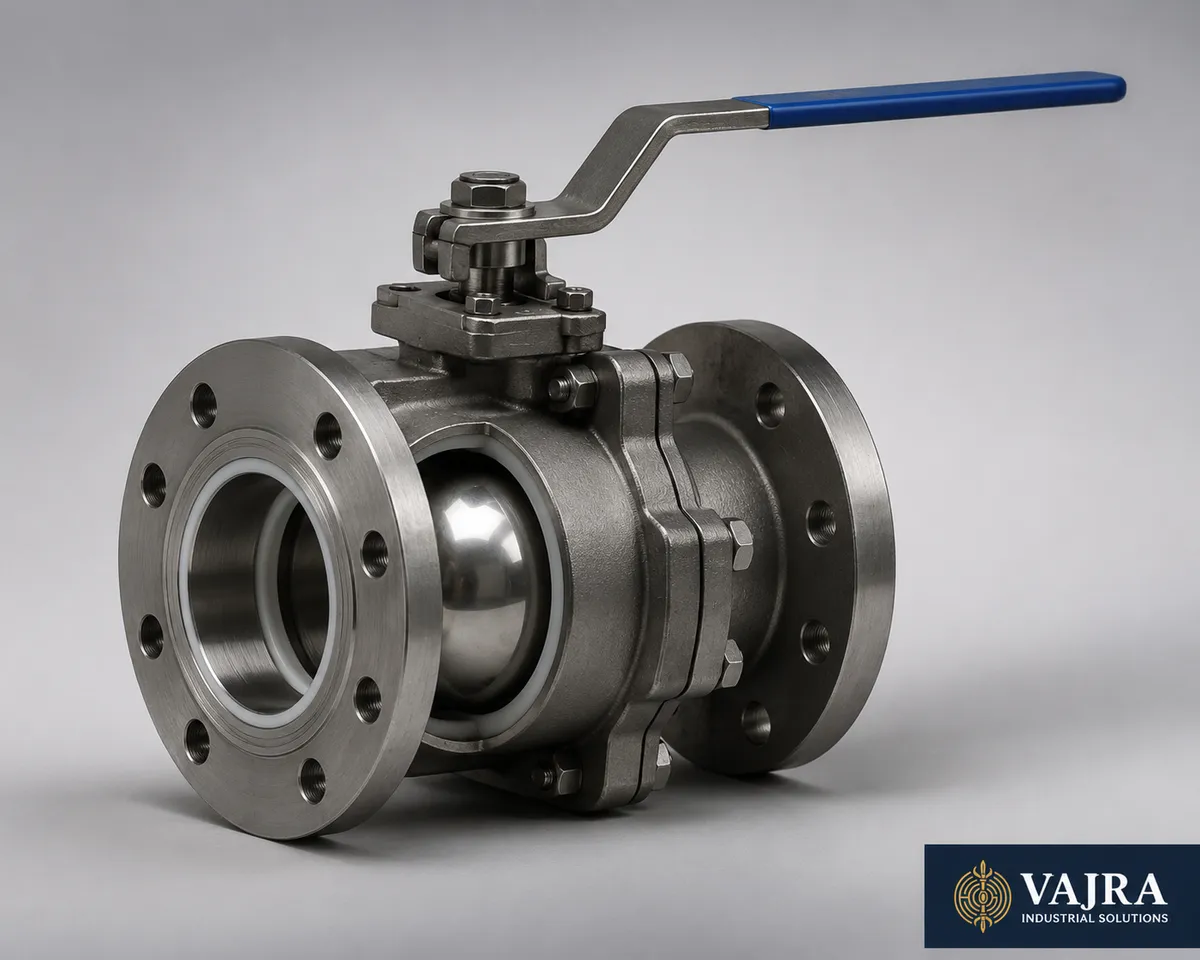
Floating Ball Valve
Standard floating design where the ball is supported by two seat rings, ideal for low to medium pressure applications.
View Details →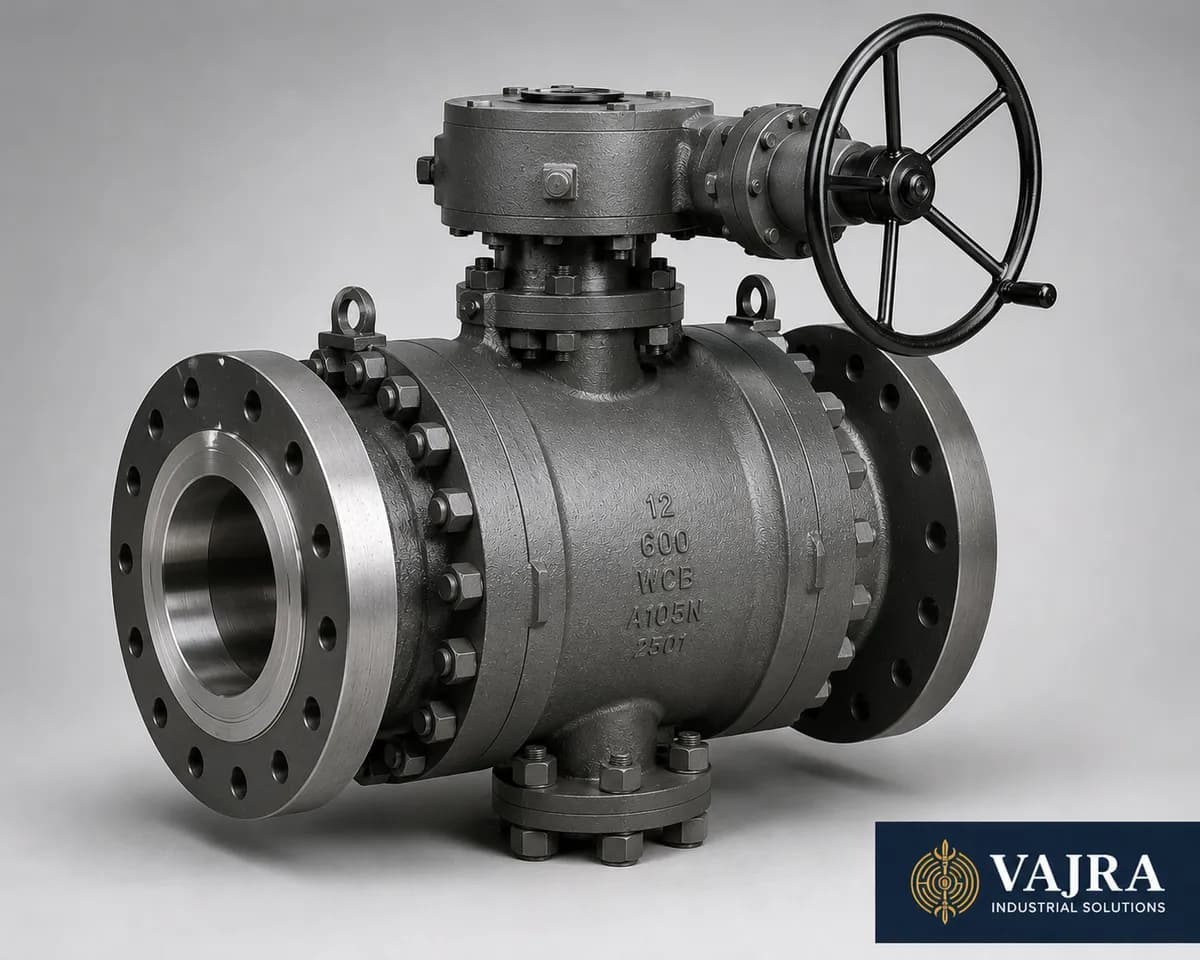
Trunnion Mounted Ball Valve
Heavy-duty design with additional mechanical anchoring of the ball for high-pressure and large-diameter pipelines.
View Details →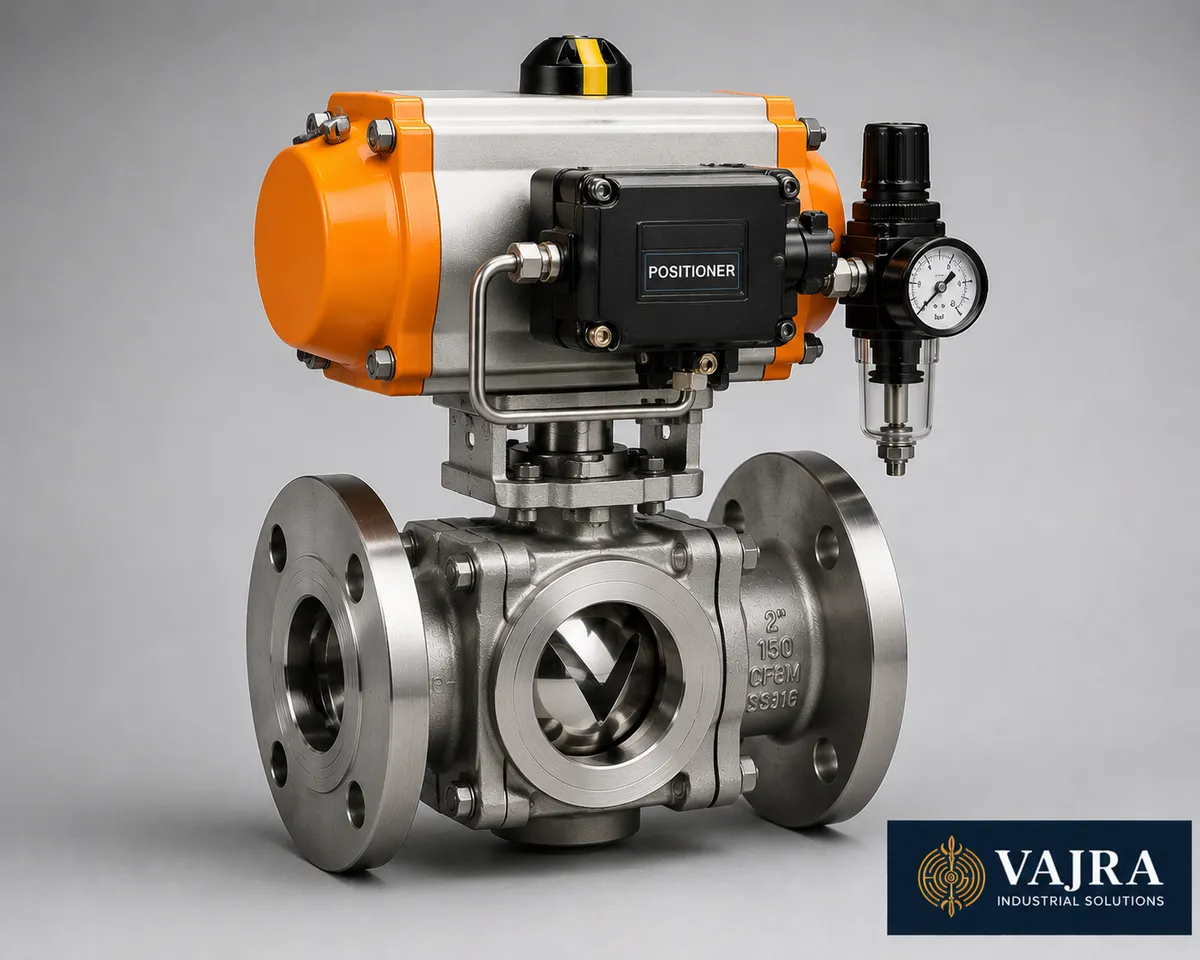
V-Port Ball Valve
Control valve with V-shaped ball or seat for precise flow regulation and throttling applications.
View Details →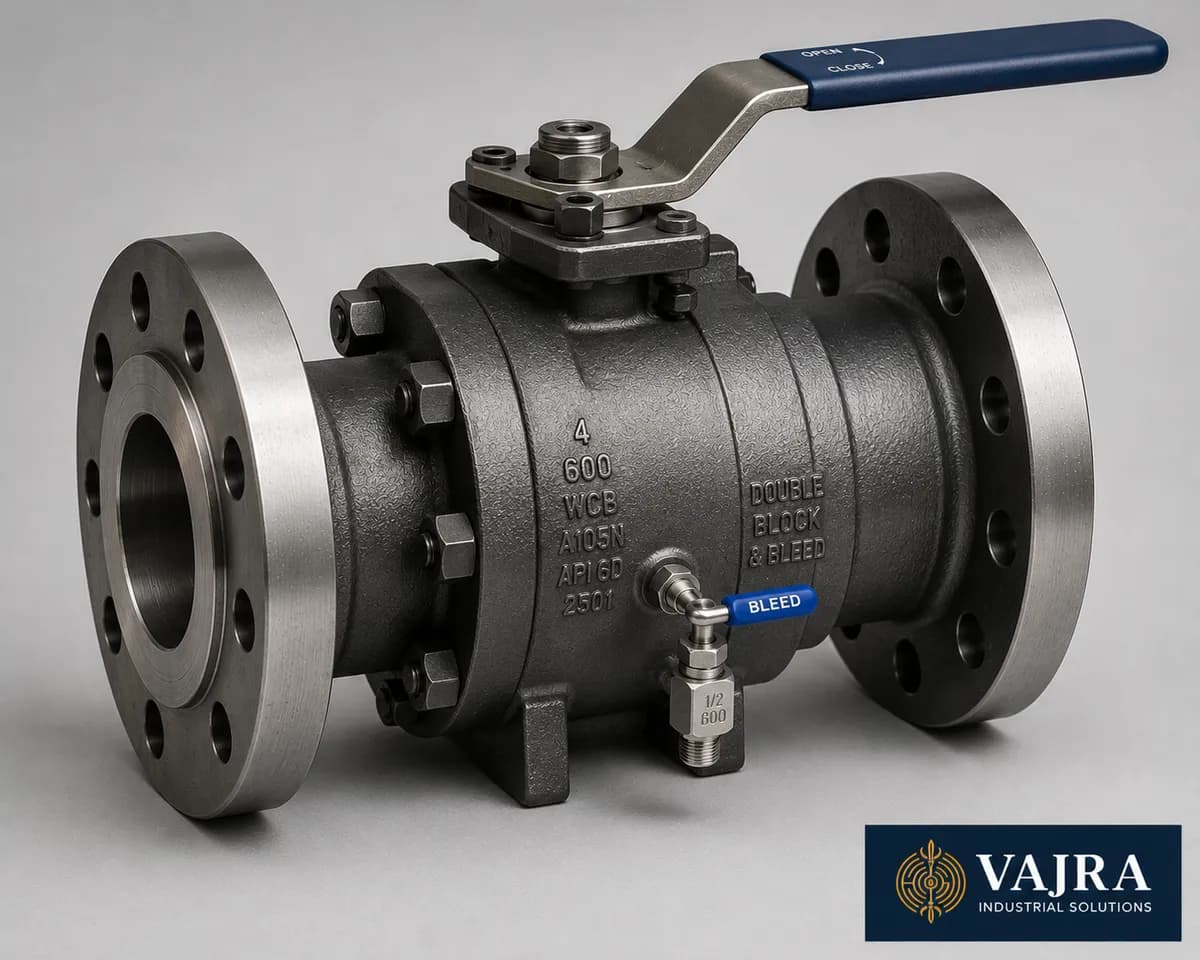
Double Block & Bleed Ball Valve
DBB design with two independent seating surfaces and a bleed valve for positive isolation and cavity venting in critical services.
View Details →